
Physician-directed physiotherapy · Regenerative rehabilitation · St. Louis
Physiotherapy in St. Louis:
the loading half of regenerative care
Physiotherapy at Regen.MD is a physician-directed rehabilitation program in St. Louis. It combines heat, traction, decompression, laser, shockwave, vibration and gentle electrical stimulation with home exercises and diet coaching, all ordered and supervised by a physician. It prepares tissue before a regenerative treatment such as PRP, protects and reloads it afterward, and measures your progress so you can see it.
An injection sends a repair signal. Your tissue has to answer it, and what it answers with depends on two things: how the area is loaded, and how inflamed the rest of you is. That is why we treat the procedure as roughly a tenth of the result and the recovery as the rest. Physiotherapy is where the recovery is built, one measured step at a time. It is also where many patients get better without any procedure at all.
What is the Regen.MD physiotherapy program?
On paper, the program is called the Physician-Directed Physiotherapy Program: Neuromuscular Modality Re-Education Protocol. Here is what each piece means:
- Physician-directed: a physician performs your exam, writes every order and oversees each visit.
- Physiotherapy: care delivered through heat, cold, light, sound waves, movement and mild electrical current.
- Neuromuscular re-education: restoring the timing between nerves and the muscles they drive.
- Modality: the term for any single machine or method.
- Protocol: one written plan, carried out identically at each visit.
Looking for a different guide? Neck: pinched nerve in the neck. Back: disc and facet pain. Shoulder, elbow and tendons: partial rotator cuff tears. After an injury: a second opinion before surgery.
Who runs it?
Oversight sits with the Regen.MD Physician Medical Director, Dr. Gurpreet Singh Padda, MD, MBA, MHP. A physician handles the exam, writes the orders and performs every re-check. Technicians run the stations exactly as ordered, and each is signed off on a machine before using it unsupervised.
Our technicians hold no physical therapist license and say so plainly. Diagnosis, settings and the treatment list are physician decisions, never theirs.
The program, step by step
Step 1: A comprehensive evaluation
A physician examines you, reviews your imaging and history, and decides what your tissue needs. That can include physiotherapy alone, or physiotherapy around a regenerative procedure.
Step 2: Your starting numbers
You fill out a function questionnaire for each painful area. Your physician may add a Kinetisense motion scan and metabolic tests such as CMAT or RQ, so we know where you begin.
Step 3: Prepare the tissue
Treatments calm pain and restore motion, the home exercises wake up the stabilizing muscles, and diet coaching starts lowering inflammation. A procedure goes better in tissue that is ready for it.
Step 4: The procedure, if one is planned
If your plan includes PRP, bone marrow concentrate or microfragmented fat, it happens here. Many patients never need one; their plan is physiotherapy and metabolic work.
Step 5: Protect, then reload
Treated tissue gets a protected period first. Then your physician brings load back in planned steps: fewer repetitions, lighter bands, then more.
Step 6: Re-check and decide
You repeat the same questionnaire and scans. Then you either graduate with a home plan, or your physician changes the plan and records why.
No visit count is fixed in advance. For some, one or two visits do the job. Others, with more ground to recover, need 60 visits or more spread over months. The plan moves when the measurements move.
Which treatments are in the program?
Each one appears in your plan only if your physician puts it there, at a strength your physician sets, and any of them can be halted at your request. Open a card for the sensation, the safety limits and the key points to remember.
Hot or cold packs
Your physician picks cold for a new flare or heat to loosen stiff tissue before it works. Ten to fifteen minutes.
See the details →Vibration platform
A humming platform wakes the little stabilizers around your joints. Ten minutes, in short rounds. A technician stays at your side throughout
See the details →Spinal traction chair
Slow, programmed spinal stretches while you recline, so bracing muscles can let go. Fifteen minutes.
See the details →Cervical decompression table
A programmed table unloads cervical discs and nerve roots while you lie back. Fifteen to twenty minutes.
See the details →Clinical laser
Light dosed to the depth of the injured tissue, to settle pain and puffiness. Eye protection for everyone. Ten minutes. A technician stays at your side throughout
See the details →Shockwave for tendons
Acoustic pulses restart a tendon repair that stalled. Weekly at most, and only on order.
See the details →TENS in the clinic
A gentle electrical buzz that lowers the pain signal and winds the visit down. Fifteen minutes.
See the details →On a visit that uses every station, the sequence is heat first, then stretching, then the targeted work, and the calm-down last.
Your part between visits
Machines help; the home program does more. Your first visit ends with a short exercise set for the painful region, to be repeated morning and evening. Your log comes along to each appointment, where the sessions get tallied and one exercise gets a form check. Every exercise below has a page of its own: a line drawing, the sequence, and the errors we correct most.
Neck exercises
- Chin tuck (deep neck stabilizers)
- Neck turn (turning range)
- Side bend (side-of-neck stretch)
- Shoulder blade squeeze (upper-back support)
Low back exercises
- Pelvic tilt (core brace)
- Knee to chest (low back and seat stretch)
- Cat and cow (spine motion)
- Bridge (hip strength)
Knee exercises
- Thigh squeeze (quad set) (thigh switch-on)
- Straight leg raise (thigh strength, knee straight)
- Heel slide (knee bend)
- Sit to stand (chair rise)
Ordered equipment is sized on you here, with a hands-on lesson and printed steps to take home.
Why is food part of physiotherapy here?
Diet and metabolic health coaching
The metabolic terrain decides how well tissue heals. Sugar, insulin and stored belly fat keep inflammation running, and a repair signal gets lost in that noise. So each visit makes room for food choices and meal timing. Visit one hands you the written protocol: ten minutes of walking after meals, no seed oils or sugar, seven hours of protected sleep, and a daily eating window.
Read the full eating protocol →Why it matters: you cannot out-inject a broken metabolism.
Which tests might your physician order?
Some decisions need more than an exam. Ordered tests get booked by our staff and stay on the visit checklist until the result is in.
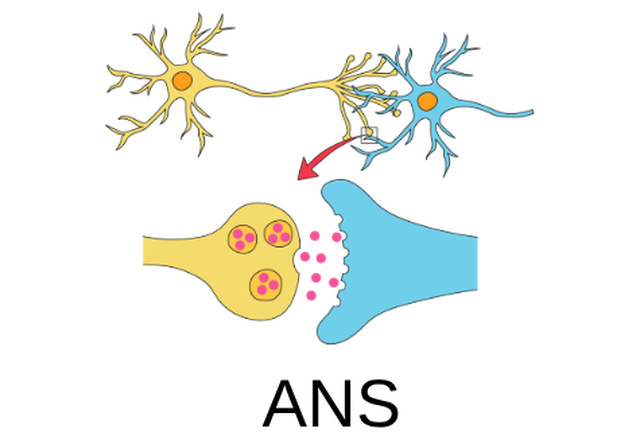
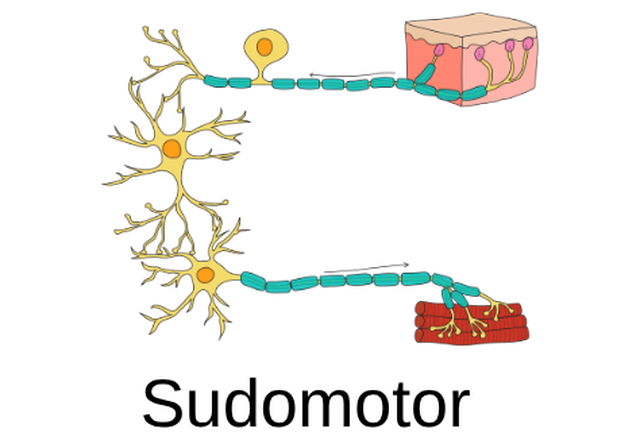
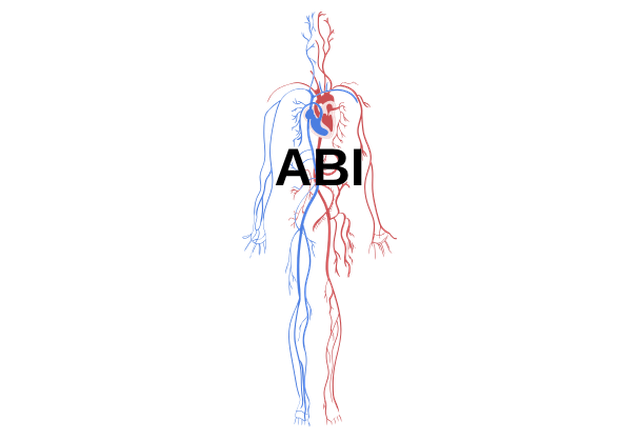
We also perform the  assessments, which measure the terrain: circulation, nerves, balance, thinking and metabolism.

How is progress measured?
A pain number can jump around between Monday and Friday, so the program tracks function instead. You fill out a validated questionnaire for every painful region at the outset and again at each re-check, privately, so every answer is your own:
Neck and upper back
Neck Disability Index. It scores how the problem limits sleep, work, getting dressed and ordinary days.
Low back
Oswestry Disability Index. It scores how the problem limits sleep, work, getting dressed and ordinary days.
Knee, hip or leg
Lower Extremity Functional Scale. It scores how the problem limits sleep, work, getting dressed and ordinary days.
Shoulder, elbow or hand
QuickDASH. It scores how the problem limits sleep, work, getting dressed and ordinary days.
Each questionnaire carries a published threshold for meaningful change. Miss that mark and your physician rewrites the plan, charting the reason, so no one spends weeks on an approach that has stalled. A Kinetisense scan adds range, balance and symmetry in numbers, before and after any procedure.
Every re-check ends one of two ways. Either you graduate with your final numbers and a home routine, or care continues, and the chart states why, what changes, and when you will be measured again. Habit is never a reason to keep coming.
Frequently asked questions
Is this physical therapy?
It is not. A licensed physical therapist delivers physical therapy. Here, a physician orders and oversees the care, and trained technicians carry it out exactly as written. Background: why physical therapy alone often stalls.
Why exercise before a PRP injection?
Because the tissue that receives the injection has to be ready to answer it. Restoring motion, waking up the stabilizing muscles and lowering inflammation first gives the treatment better ground to work in. More: load is the treatment an injection cannot supply.
What happens in the days after an injection?
The treated area gets a protected period, and the early soreness is part of the repair signal, so anti-inflammatory pills are usually skipped. Your physician then restarts your exercises in steps. More: why rest, ice and ibuprofen can work against you.
How long until I see results?
There is no single schedule. Recovery runs in phases, and your re-checks tell you where you are with numbers rather than guesses. More: realistic recovery timelines.
Is a referral required?
It is not. Phone (314) 295-3000 or book online, and bring whatever imaging you have plus your medicine list. Here is what happens at the comprehensive evaluation.
Where is Regen.MD?
Our clinic sits a few minutes from Lambert airport at 4477 Woodson Rd, Suite 103, St. Louis, MO 63134. Reach us at (314) 295-3000. Directions and parking are on our location page.