
Regenerative medicine clinic · St. Louis
Regenerative Medicine
in St. Louis
Pain is a signal. We decode the source.
We move past the assembly-line model of care. We fix the ground your body heals on — structure, fuel, and nerves — so the fix lasts.
The Premise
“A joint is only as healthy as the systemic environment supporting it. If you treat the pain without fixing the terrain, the pain returns.”
This is a physician-led practice that runs on data. Your terrain must be addressed for a procedure to work. We do not sell quick fixes. We restore the body’s own biology.
Dr. Gurpreet Singh Padda, MD, MBA, MHP — Board Certified, Pain Medicine & Anesthesiology. Thirty years of hands-on procedure work.
The Terrain
Why do injections and procedures fail?
The system rarely asks why the tissue failed.
Today’s medical system runs like an assembly line. Procedures get done without asking why the tissue failed in the first place. That is why procedures fail. Shots that only dull pain waste your time and money if you ignore the body they are injected into.
The Solution: The Padda Protocol
We bring thirty years of clinical skill together with modern orthobiologics and metabolic science. We use them to find the choke points in your body. Think of your body as soil. If the soil is worn out — inflamed, low on oxygen, poorly fed — nothing planted in it will take root. We restore the soil first. Then we repair the structure.
We want patients who want to understand their own bodies — not patients looking for a shot to hide symptoms.
Begin the Audit
Select your primary signal to proceed.
You do not browse treatments here. They are matched to you. Find the main way your body is failing, and we will show you the plan that fits it.
Scheduled for fusion or joint replacement? Read the Surgical-alternatives directory →
Clinical Architecture
What do you need before your evaluation?
A consult here is a data review, not a chat.

We need specific records before your visit. Your visit is built on hard data — not a seven-minute chat and a pad of scripts.
The Filter. We do not take every case. We go ahead only when we can find a clear signal and the exact problem in your terrain that is blocking healing.
Review Application RequirementsTwo Models of Medicine
How is Regen.MD different from standard pain care?
The assembly line vs. the protocol.
| Insurance-Based / Volume | Outcome-Based / Data-Driven | |
|---|---|---|
| First question | “Where does it hurt?” | “Why did this tissue fail?” |
| Case entry | Every referral accepted; schedule density is the goal. | Cases accepted only after review of metabolic and structural data. |
| Diagnostics | The minimum that billing codes require. | Metabolic markers, advanced imaging, microbiome analysis before any procedure. |
| Intervention | Isolated injection aimed at the symptom generator. | Terrain correction first; targeted orthobiologic or neuromodulatory procedure second. |
| Follow-up | Seven-minute rechecks until benefits lapse. | Physician-led data reviews measuring markers, function, and durability. |
| Incentive | Reimbursement volume. | Documented recovery. |
The Four Restorative Pillars
What regenerative treatments does Regen.MD offer?
Four pillars, one architecture: restoration.
The Concierge Experience
Why does Regen.MD work outside insurance?
Beyond insurance.
The standard insurance model forces doctors to treat symptoms, not patients. That model is built for volume, not results. Our small clinical team gives you direct access and care built around you. We work outside the insurance grind because your health is worth more than a billing code can capture.
Direct access to your physician. Visits that are never rushed. Plans built on your data — and changed as your data changes.
Masterclass
The pre-education engine.
A 50-part video series on the biology of pain, inflammation, and healing. We ask patients to learn how we think before their visit. A patient who arrives understanding their body’s signals is ten times easier to restore than one who arrives as a blank slate.
Enter the Masterclass“Are you treating the symptom — or the signal?”Watch the 10-minute Clinical Mandate before booking. It will tell you whether this practice is for you.
Watch the Clinical MandateNot sure which guide fits? Take the 60-second candidacy check.
Regenerative medicine · St. Louis
Frequently asked questions
Where can I get regenerative medicine in St. Louis?
Regen.MD is a physician-led regenerative medicine practice in St. Louis, led by Dr. Gurpreet Singh Padda, MD, who is board certified in pain medicine and anesthesiology. Treatments include BMAC, Lipogems and PRP for joints and tendons, nerve treatments such as stellate ganglion blocks, and metabolic care. Call (314) 295-3000 or schedule online.
Does regenerative medicine actually work?
It works when the body it goes into is ready to heal. A joint is only as healthy as the whole body around it. Leave inflammation, insulin resistance or an overactive nervous system alone and the procedure fails, and the pain returns. That is why we measure and fix the terrain first, then do the procedure.
Who is a good candidate for regenerative medicine?
Good candidates want to understand their own bodies, not get a shot to hide a symptom. It also fits people who have been scheduled for spinal fusion or joint replacement. And it fits people whose shots and surgery did not hold. We take a case only when we can find a clear signal and the exact problem keeping you from healing.
What happens during a regenerative medicine evaluation?
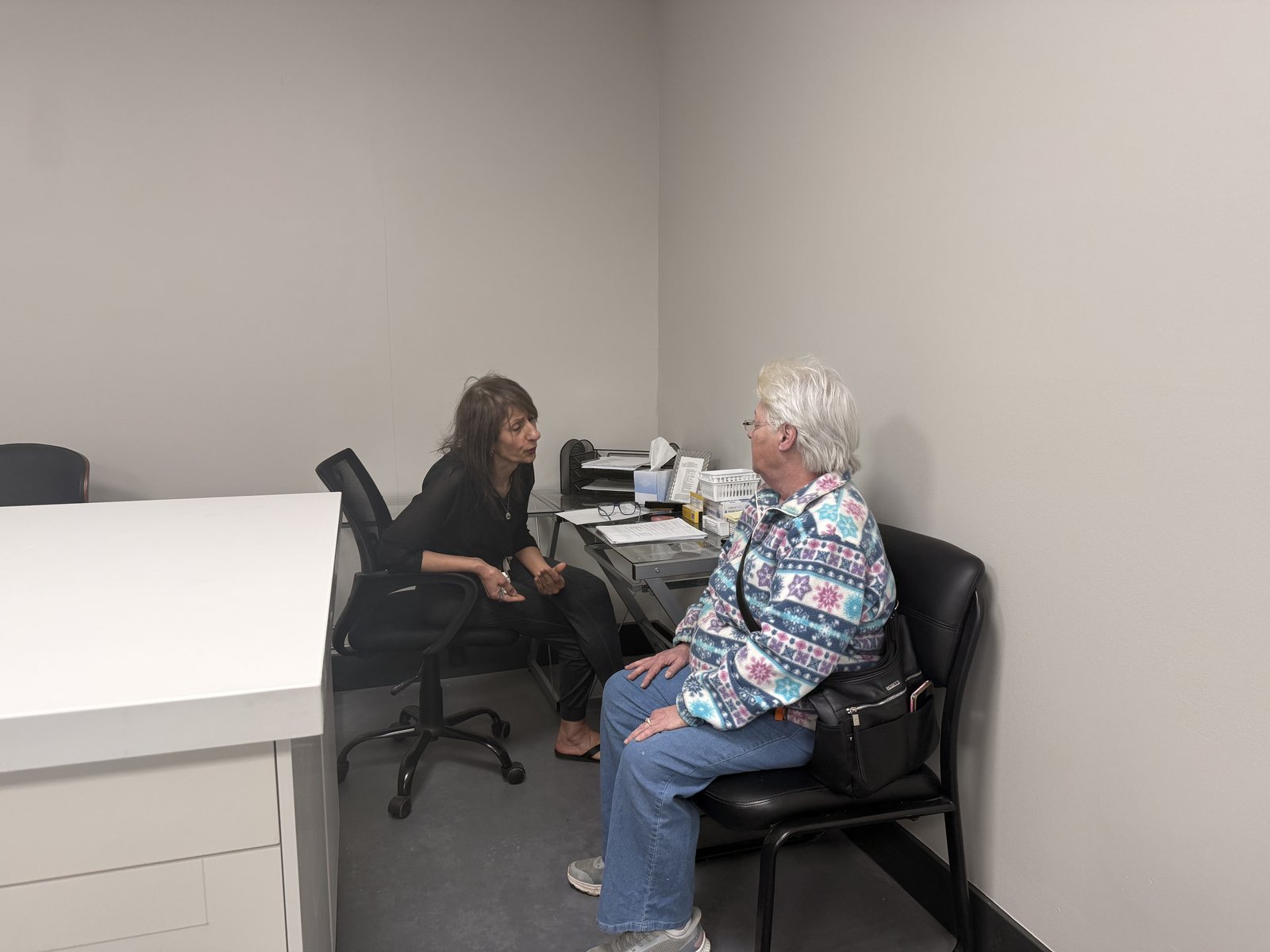
The Clinical Evaluation is a 60-minute session to find the root cause. A physician goes over your history, scans and metabolic markers. That covers every past surgery, shot and drug you tried, and what each one changed. You leave with a written terrain roadmap. It is a slow, careful data review with direct access to your physician, not a seven-minute visit and a pad of scripts.
What does a regenerative medicine doctor do?
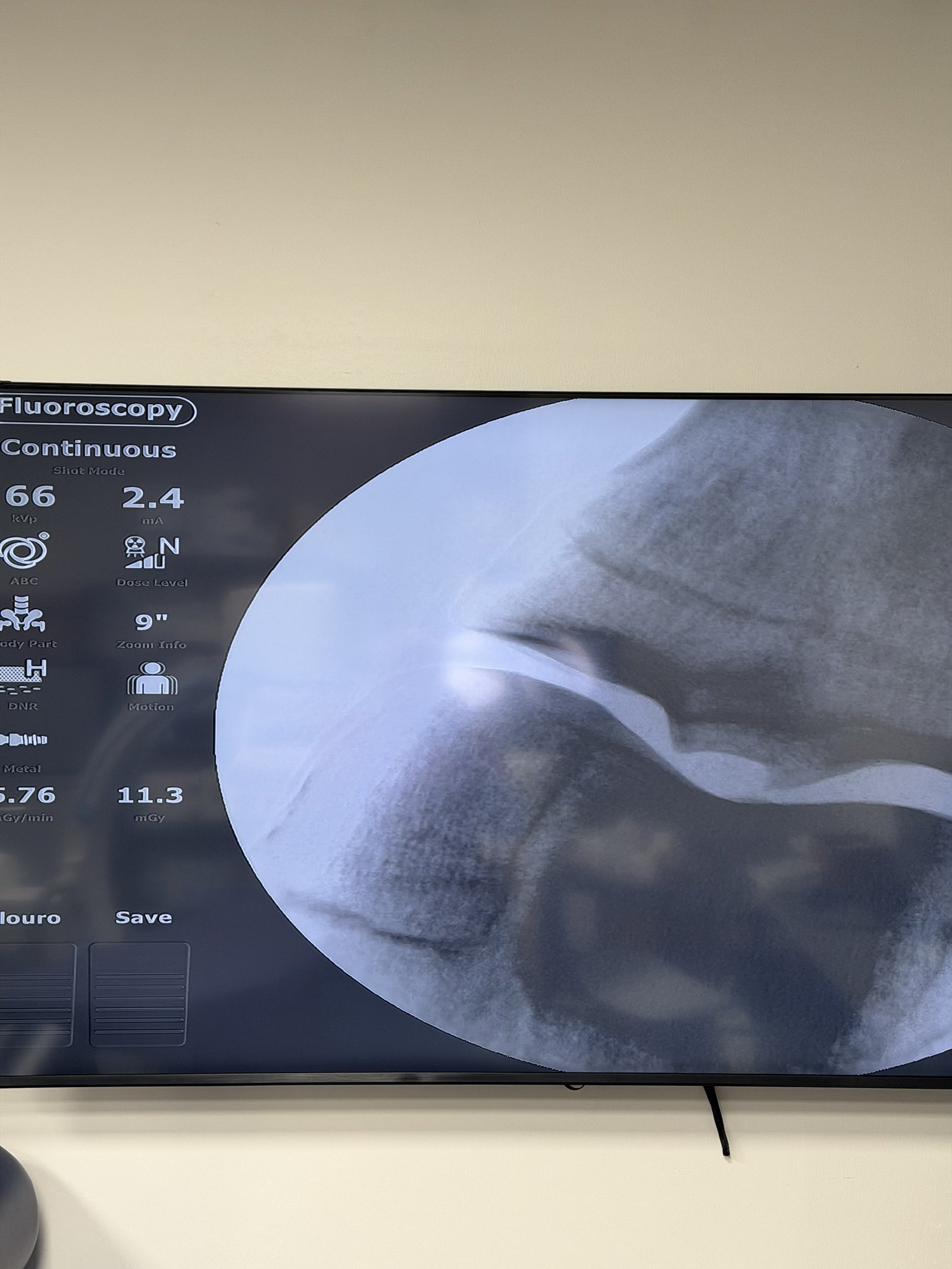
A regenerative medicine physician uses your own biology, meaning concentrated platelets, bone marrow cells or fat tissue, to support repair in a joint, tendon, ligament or disc, and places it under ultrasound or fluoroscopy. At Regen.MD the same physician first tests the ground the tissue heals on: insulin, inflammation and nerve regulation. The procedure is the last step, not the first. How the choice between PRP, BMAC and Lipogems is made.
What is the biggest problem with regenerative medicine?
Inconsistency in how it is done. Results depend on how many platelets or cells reach the tissue, whether the needle lands in the right spot under imaging, and whether the body around the injury can heal. Low-dose preparations, blind injections and untreated metabolic disease explain most disappointing studies and clinics. We control all three: a measured dose, image-guided placement and terrain repair before the procedure. Why PRP results vary with platelet dose.
Ready to decode the source?
A 60-minute session to find the root cause. A physician reviews your history, imaging, and metabolic markers. You get a written terrain roadmap.
4477 Woodson Rd, Suite 103, St. Louis, MO 63134 · info@regen.md