
Regenerative treatments · PRP, BMAC, peptides
Regenerative Treatments:
PRP, BMAC, Peptides and Nerve Care
Regenerative medicine in St. Louis at Regen.MD runs on four pillars. The first is structural repair with PRP, BMAC and prolotherapy. The second is calming the nerves. The third is metabolic and longevity care, including peptides. The fourth is precise testing.
We are not a menu of shots. We are a system: four Restorative Pillars, put in order by your data. We measure the terrain first. We fix it second. Only then do we rebuild the structure.
“Are you treating the symptom — or the signal?”Watch the 10-minute Clinical Mandate before booking. It will tell you whether this practice is for you.
Watch the Clinical MandatePillar I — Biological Reconstruction
How do PRP, BMAC and prolotherapy rebuild joints?
Structural Restoration
Clinical Brief: Expert Orthobiologic Evaluation & Failed-Treatment Revision →
An orthobiologic injection is not a product. It is the end stage of tissue repair. It is the final order, sent into a body that has been made ready to follow it. Structure is rebuilt here. The reason it failed gets fixed in Pillars II–IV.


Pillar II — Systemic Regulation
How does calming the nervous system ease chronic pain?
Neurological Modulation
Chronic pain is often an alarm system that has learned the wrong lesson. This pillar resets the nervous system. It quiets nerve circuits stuck in overdrive. It frees trapped nerves. It brings back the calm state the body needs to heal. Nerves stuck in fight-or-flight are a main reason joint and spine procedures fail.
Pillar III — Terrain Optimization
How does metabolic health affect pain and healing?
Metabolic & Longevity
Clinical Brief: The Biological Baseline Program → · Clinical Brief: Peptide Therapy →
The Biological Baseline program. Most chronic pain sits on top of a metabolic fire. That fire is insulin resistance, a leaky gut, and low hormones. This pillar rebuilds the soil so every other treatment holds. It is where most of our patients with failed procedures find out why they failed.
Systemic Inputs
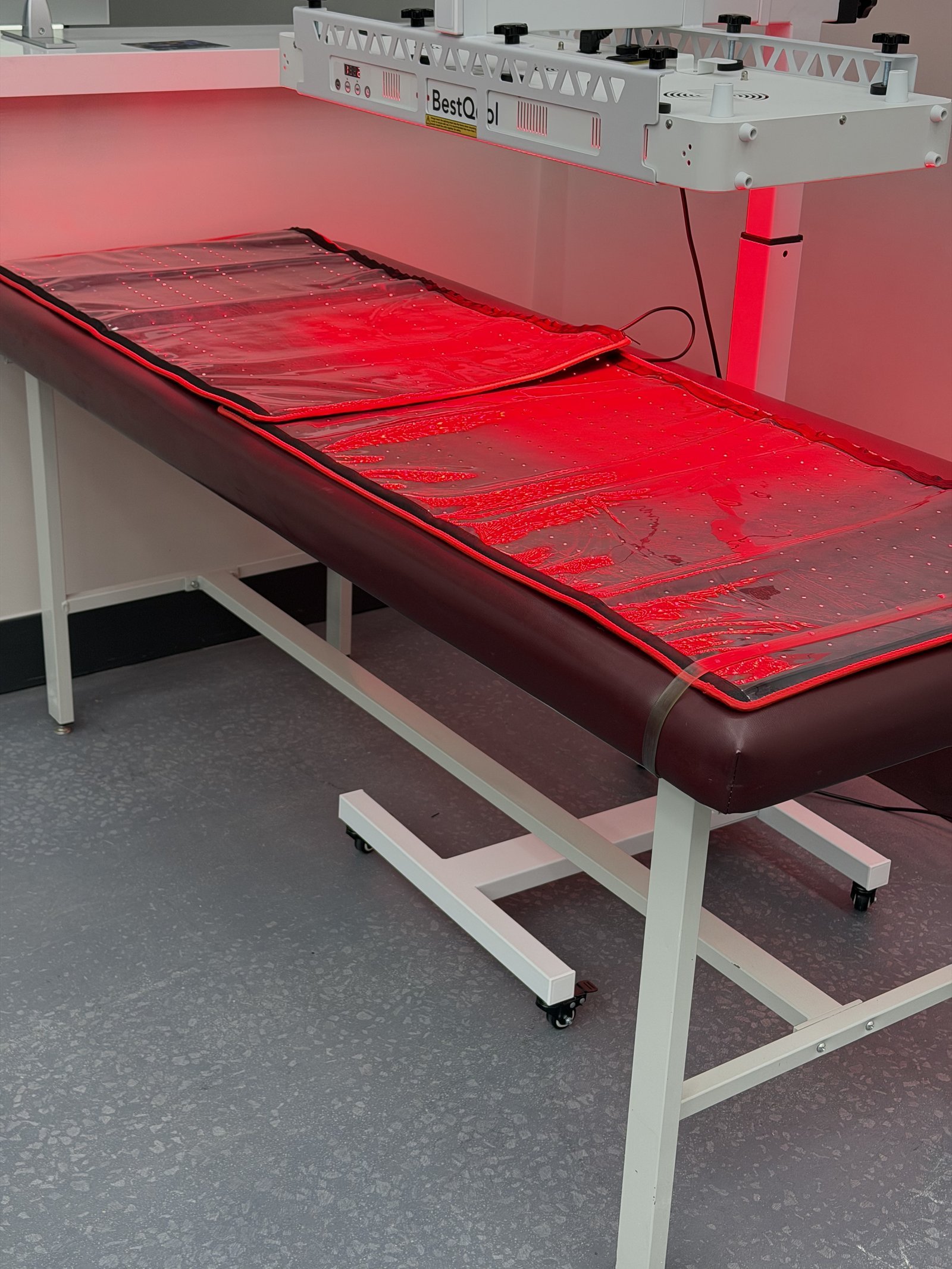
What is peptide therapy used for? — The Signal Library
Peptides are the native language your cells already speak. We choose them from lab data, never from a menu.
Endocrine & Vitality
Pillar IV — Data-Driven Truth
What testing comes before regenerative treatment?
Precision Diagnostics
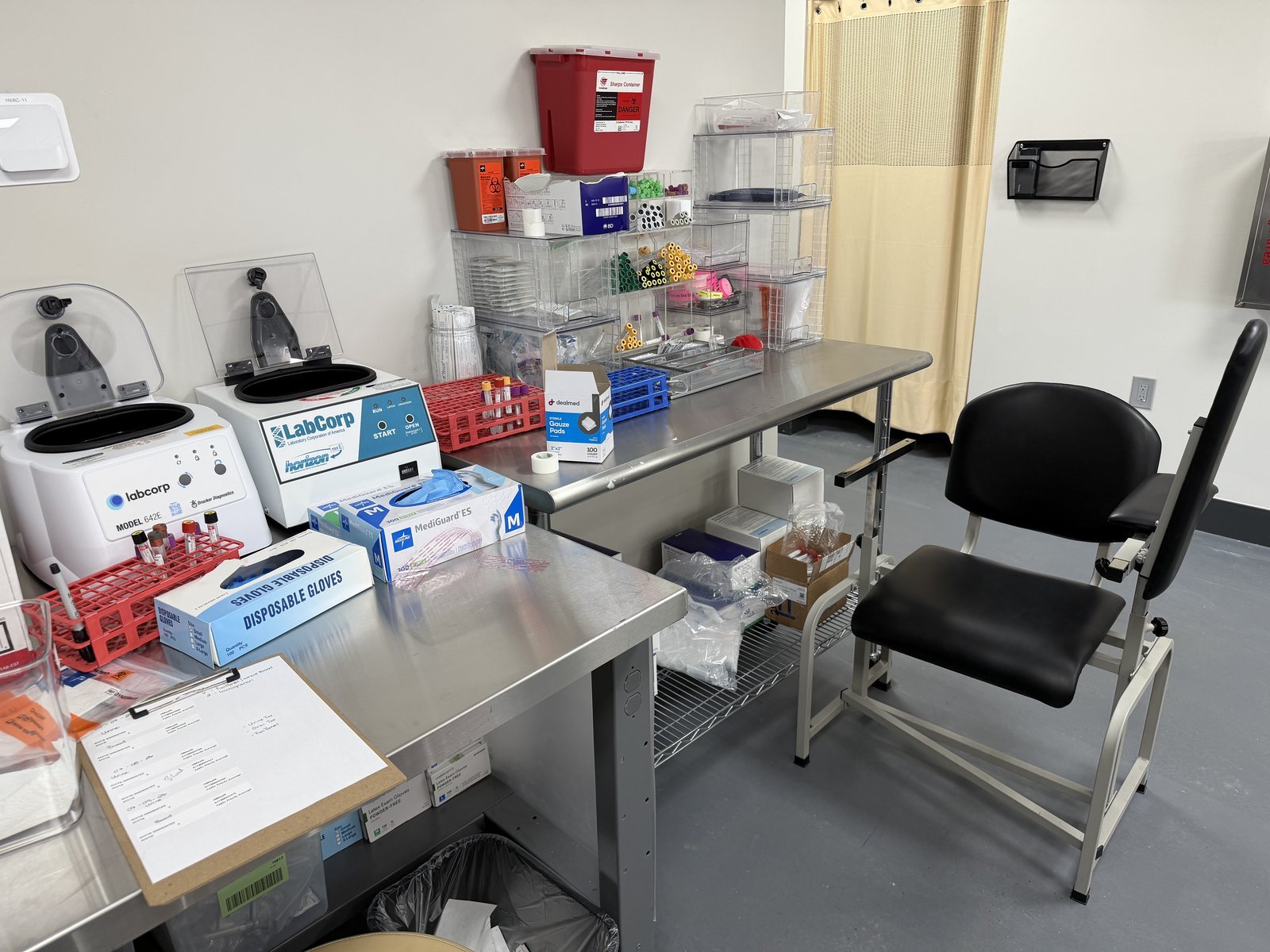
This is the first step before any smart treatment. Nothing in Pillars I–III is used until this pillar has spoken. If you come without data, we start here. If you refuse testing, we decline the case.

Not sure which guide fits? Take the 60-second candidacy check.
Regenerative treatments · St. Louis
Frequently asked questions
What types of regenerative medicine are there?
At Regen.MD, regenerative medicine falls into four pillars. Structural repair uses BMAC, Lipogems, PRP and prolotherapy. Calming the nerves uses four tools. They are stellate ganglion blocks, RF neurolysis, vagal nerve stimulation and hydrodissection. Metabolic and longevity care covers gut repair, hyperbaric oxygen, peptides and hormones. Testing comes before all of them. That means tests like a heart calcium score and gut bacteria panels.
What is BMAC?
BMAC is bone marrow aspirate concentrate. Your bone marrow carries your own repair cells and signal proteins. We concentrate them and place them in the damaged tissue. Every needle is guided by imaging. It is the strongest repair order we can give. So we save it for tissue whose body chemistry has been checked and is ready.
What is the difference between leukocyte-rich and leukocyte-poor PRP?
Both are platelet-rich plasma, and platelets carry the body’s repair orders. The difference is the white blood cells. Leukocyte-rich PRP keeps them. We use it when a tendon needs a controlled push of inflammation. Leukocyte-poor PRP leaves them out. We use it when a joint needs quiet, steady signals. We match the type to the tissue.
What is prolotherapy?
Prolotherapy is a shot of dextrose (a sugar water) or a similar strong solution. It acts as a mild, precise irritant. Loose ligaments let a joint move too much, and an unstable joint grinds itself down. The irritation sparks new collagen. That tightens the ligaments, so the joint is steadier and no longer has to wear out.
What is hydrodissection for a trapped nerve?
A nerve caught in scar tissue can fire all the time. It feels like a mystery pain illness, but it is a mechanical problem. Hydrodissection uses ultrasound to guide fluid around the nerve. The fluid frees it from the tissue holding it, without a scalpel. It is one of the nerve treatments in our pillar for calming the nervous system.