
Osteoarthritis is not simply a joint that wore out. It affects the entire joint and the tissues around it, and its recognized risk factors include metabolic disease such as diabetes and obesity — obesity specifically for the hip and knee, characterized by metabolic abnormalities and systemic inflammation as well as by excessive load on the joint [1].
That is the practical meaning of terrain: the biological environment a joint sits in shapes how it degenerates and how it behaves day to day. It is also why two people with similar films can have very different symptoms.
The scale of the problem, and who it describes
In 2019, about 528 million people worldwide were living with osteoarthritis, an increase of 113% since 1990. About 73% of them are older than 55 and 60% are female. The knee is the most frequently affected joint, with a prevalence of 365 million, followed by the hip and the hand. Some 344 million people are at moderate or severe levels that could benefit from rehabilitation [1].
One more point from the same source is worth holding onto: osteoarthritis is not an inevitable consequence of ageing [1]. That matters, because “you are just getting older” ends the conversation, and it should not.
Why metabolism belongs in a joint conversation
The recognized risk factors for osteoarthritis are not confined to the joint itself. They include injury to the joint from fractures, strains or repeated stress at work or in sport; pre-existing joint diseases such as rheumatoid arthritis or gout; specific metabolic diseases such as diabetes; obesity; genetics; and sociodemographic factors including age and female sex [1].
Obesity is the one that most clearly bridges the mechanical and the metabolic. It is described as a risk factor specifically for hip and knee osteoarthritis, characterized by metabolic abnormalities and systemic inflammation as well as contributing excessive load to the joint [1]. Both halves of that description are doing work.
Why a pure loading model explains some symptoms poorly
Patients often describe pain that does not track with what they did that day. That experience is documented: symptoms can develop slowly or begin quickly after an injury or strain, and some people feel pain even when resting [1].
Reduced movement then feeds back into the systemic picture. Being less physically active can lead to other conditions, including cardiovascular disease, obesity and diabetes [1]. The joint and the terrain are not separate systems having separate conversations.
What this changes about your evaluation
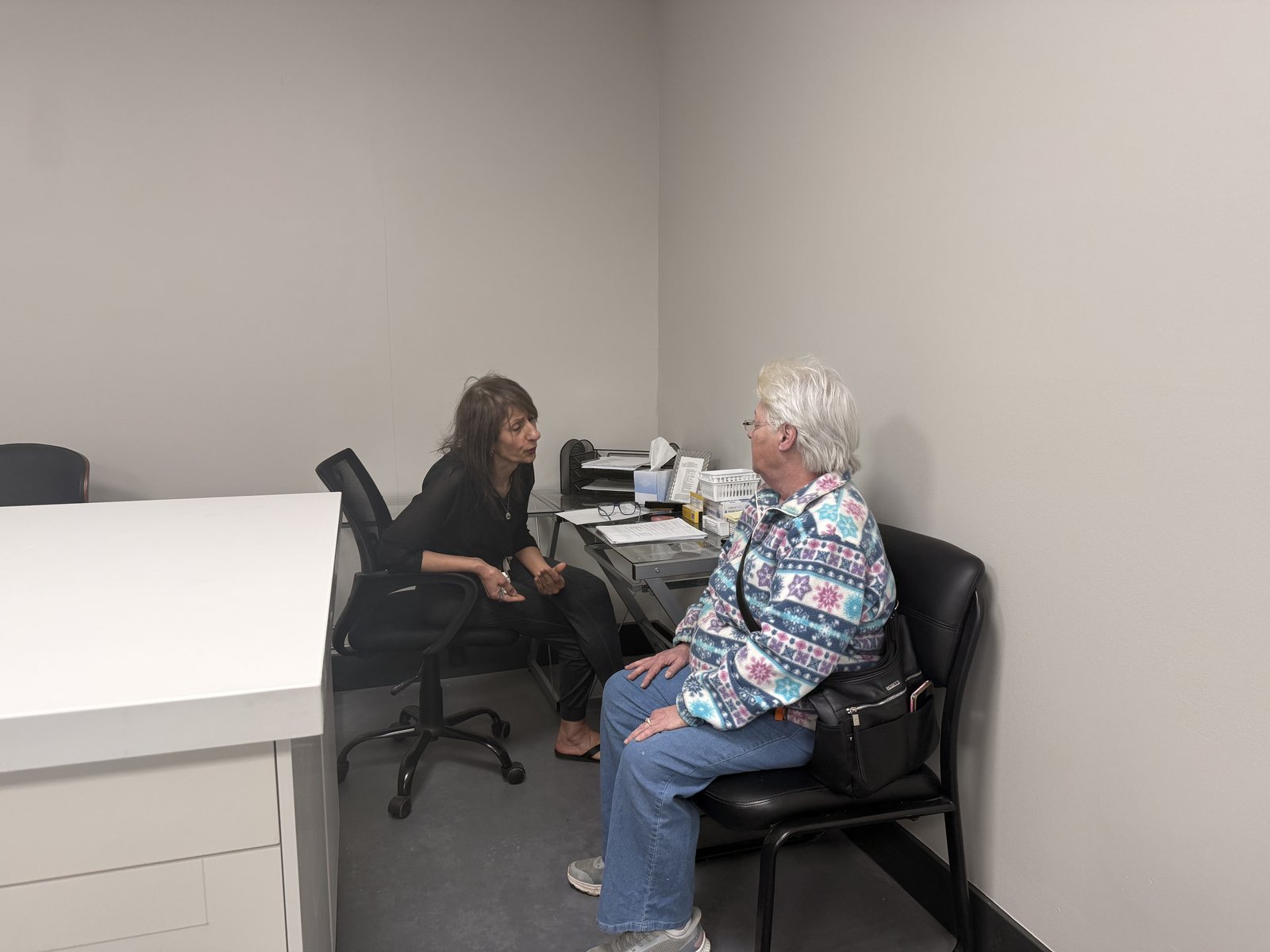
At Regen.MD in St. Louis, terrain is not a slogan; it is a set of inputs. Our evaluation is a paid, physician-led Clinical Evaluation in which your history, imaging and metabolic data are reviewed together, and it produces a written roadmap rather than an immediate procedure.
Where the findings support it, we discuss the orthobiologics we offer: intra-articular and tendon platelet-rich plasma, intraosseous and subchondral platelet-rich plasma, bone marrow aspirate concentrate, Lipogems, and intradiscal orthobiologics. For advanced knee osteoarthritis, platelet-rich plasma is discussed as a bridge therapy before joint replacement, and no orthobiologic used here is claimed to rebuild lost cartilage.
When surgery is the right answer
Joint replacement surgery can reduce pain, restore movement and improve quality of life for most people with severely affected joints, and these operations are most commonly performed at the hip and knee [1]. A terrain-first evaluation does not argue with that.
What it changes is the sequence. Conservative measures come first, and when they have been exhausted, surgery is part of the plan. Dr. Gurpreet Singh Padda, MD, MBA, MHP is a surgeon and the practice provides surgery at that stage rather than referring the decision away.
Have your joint pain evaluated as a whole-system problem
Regen.MD begins with a paid, physician-led Clinical Evaluation — a review of your history, imaging, and metabolic data, and a written roadmap for what to do next. Evaluation is contingent upon review of your data.
Questions? Call (314) 295-3000 or text (314) 886-5902.
Regen.MD, 4477 Woodson Rd, Suite 103, St. Louis, MO 63134, next to St. Louis Lambert International Airport.
Frequently asked questions
Does this mean my joint pain is not mechanical?
No. Load and injury are real contributors, and joint injury is a recognized risk factor. The point is that they are not the only contributors, which is why the evaluation looks beyond the joint film when we assess the conditions we treat.
Do you sell peptides?
No. Peptides are discussed here as a clinical and educational subject under physician oversight, not offered as a product for purchase. What that discussion covers is set out on our peptide and longevity medicine page.
Why do my symptoms flare when I have not done anything?
Pain at rest is a documented feature of osteoarthritis rather than a sign you are imagining it, and it is one of the observations that a pure loading model explains poorly. There is more on symptom patterns in our education library.
If the terrain matters, does that rule out surgery?
No. When conservative measures have been exhausted, surgery is part of the plan, and joint replacement can reduce pain and restore movement in severely affected joints. Dr. Gurpreet Singh Padda, MD, MBA, MHP is a surgeon and will say so directly when that is the right answer.
Sources
- World Health Organization. “Osteoarthritis” (fact sheet), 14 July 2023. https://www.who.int/news-room/fact-sheets/detail/osteoarthritis — referenced for the 2019 global figure of about 528 million people and the 113% increase since 1990, the 73% over-55 and 60% female distribution, the 365 million knee prevalence, the 344 million at moderate or severe levels, the statement that osteoarthritis affects the entire joint and surrounding tissues, the full risk factor list including metabolic disease and obesity characterized by metabolic abnormalities and systemic inflammation, the statement that some people feel pain even when resting, the link between inactivity and cardiovascular disease, obesity and diabetes, the statement that osteoarthritis is not an inevitable consequence of ageing, and the role of joint replacement surgery in severely affected joints.