
Our regenerative therapies leverage the body's natural healing abilities
We don't just treat symptoms; we delve deep to understand and address the root causes of your discomfort.Our comprehensive and holistic approach ensures we get to the heart of your pain, tackling it from all angles for the most efficient and effective relief possible.
What sets us apart is our innovative and proprietary techniques, meticulously developed and refined over years of dedicated research and practice.These unique methods have been proven to dramatically enhance the success of our treatments, providing our patients with unprecedented relief.
Just some of the therapies we offer
Platelet-Rich Plasma (PRP) Therapy
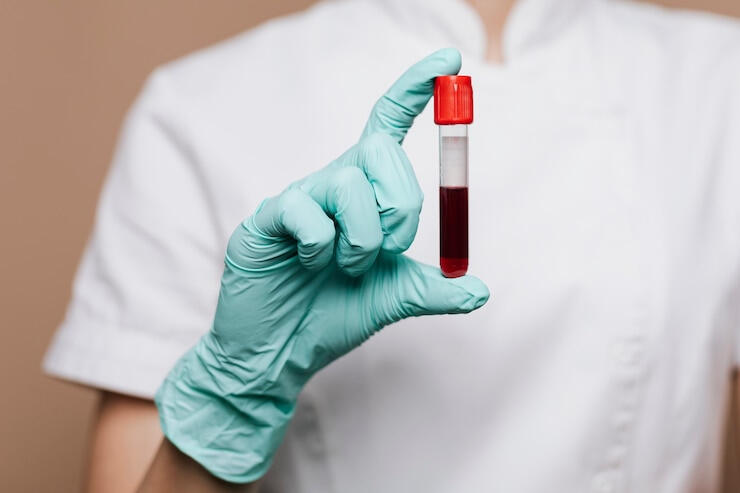
Imagine your body has a built-in team of tiny healers called platelets living in your blood Usually these platelets help stop bleeding when you get a scrape But they also carry growth factors which are like super-powered instructions telling your body how to repair itself PRP stands for Platelet-Rich Plasma and it gives your body a massive dose of these healers A doctor takes a small amount of your own blood and spins it very fast in a machine to gather the platelets Then they inject that concentrated mix right where you hurt It is like sending a professional repair crew exactly to the spot that needs fixing.Steroid shots are very different Think of a steroid shot like putting a sticker over a check-engine light in a car It might hide the pain for a little while but it does not fix the underlying problem Steroids can even make your tissues weaker over time or hurt your immune system PRP is forward-thinking because it uses your own natural power to help you stay active without relying on drugs.PRP is not magic pixie dust that heals everything instantly It does not usually regrow perfect new parts in very badly damaged joints However it is a powerful tool to help your body heal naturally and avoid surgery This is the future of medicine because it helps you get back to doing what you love.
Bone Marrow Concentrate (BMC) Therapy
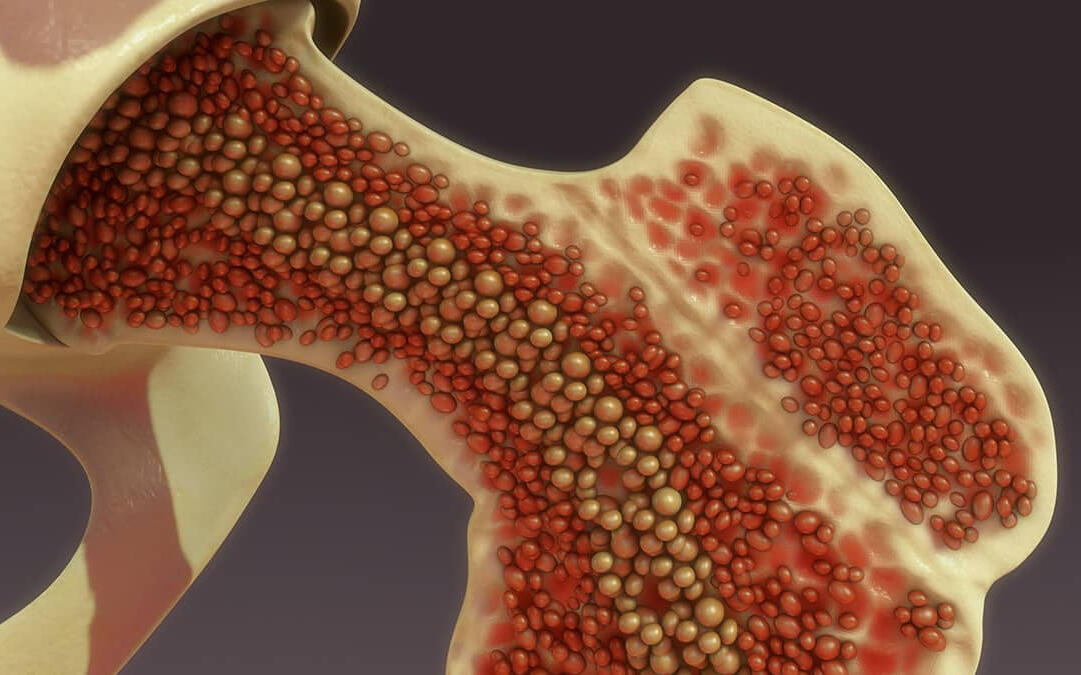
Imagine your body has a super-powerful repair kit hidden inside your bones called bone marrow. Inside this kit are special signaling cells and growth factors that act like a professional construction crew for your body. To get these workers ready, we use a needle to take a small sample of marrow from the hip bone.We spin it in a machine to concentrate it and then inject it right where you have pain This helps your body fix itself naturally and is often better for serious injuries that won't go away Steroid shots are like turning off a warning light in a car without fixing the engine but BMAC tries to repair the actual damage so you can keep playing sports and avoid big surgeries.You should know that while BMAC is amazing, it is not magic and usually cannot regrow brand-new parts in joints that are already severely worn out. It is also a bit more uncomfortable than a regular shot because the marrow comes from your bone, and the activation of the inflammatory cascade can be fairly strong.
Hyaluronic Acid
Hyaluronic Acid, or HA, is a naturally occurring molecule in our bodies, notable for its capacity to attract and hold onto 1000x its weight in moisture. In regenerative medicine, it is frequently used in joint pain injections, particularly in osteoarthritis cases. HA works as a lubricant and shock absorber in the joints, enhancing comfort and reducing inflammation.

A2M (Alpha 2 Macroglobulin)
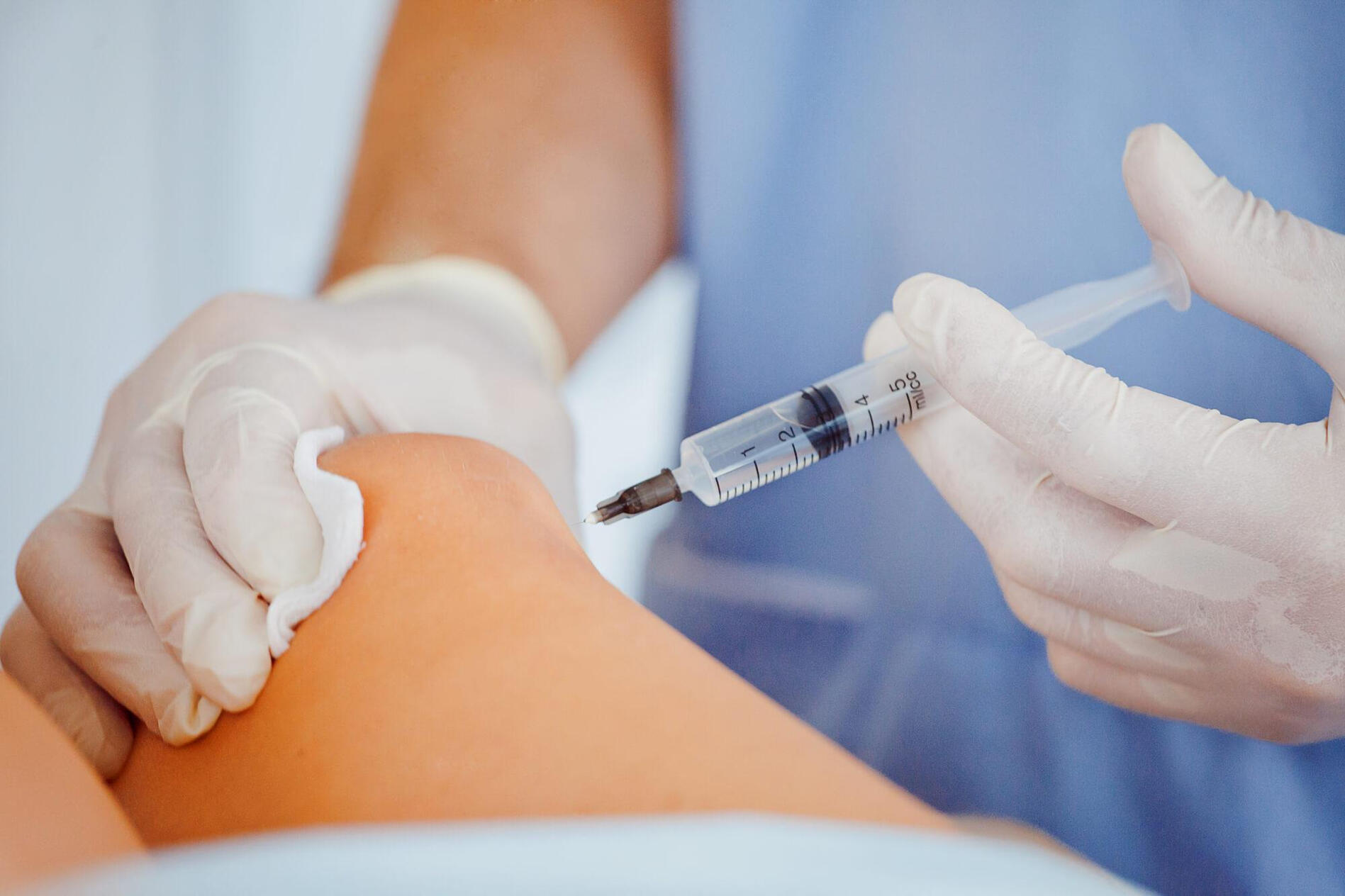
Alpha 2 Macroglobulin, commonly known as A2M, is a large plasma protein found in the blood. It is crucial in inhibiting the broad spectrum of enzymes that degrade joint cartilage. As a result, A2M therapy is often used in regenerative medicine as a cutting-edge treatment for osteoarthritis and other degenerative joint conditions, aiming to halt the progression of these diseases by preventing further cartilage breakdown.
Micronized Fat
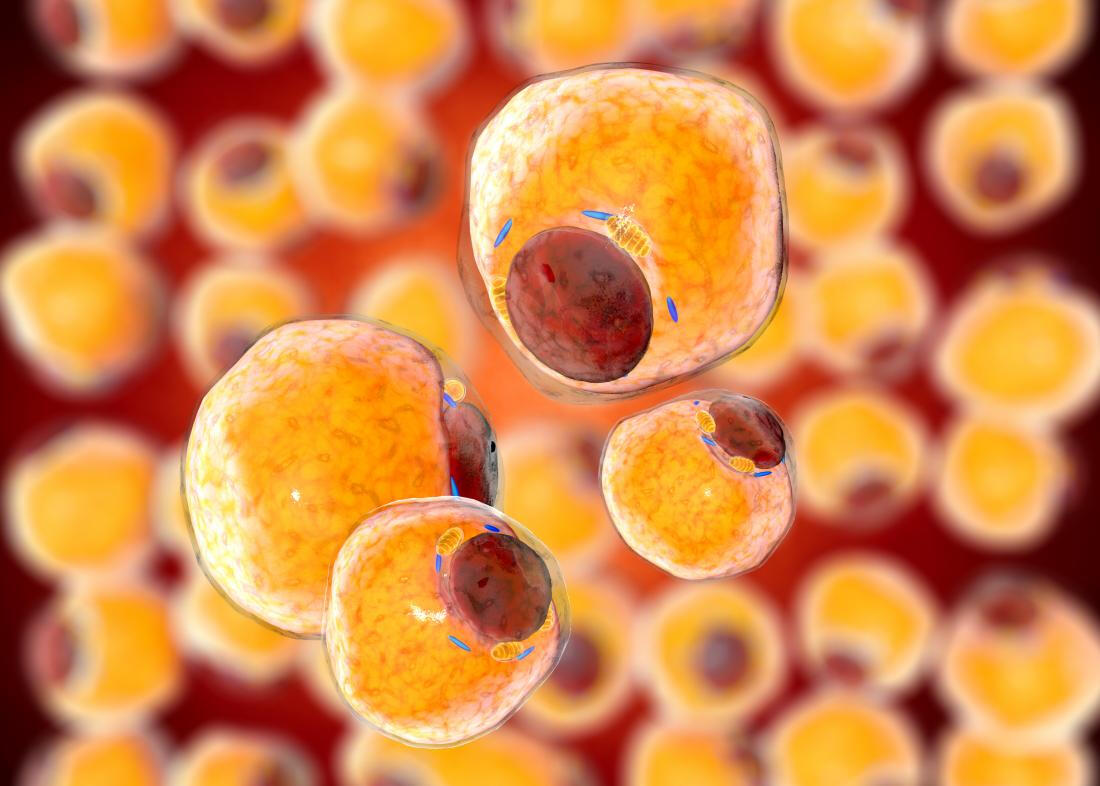
Micronized Fat is adipose tissue that has been mechanically processed to separate the regenerative cells from the fatty portion, creating a more concentrated injectable product. This treatment harnesses the body's healing potential, as adipose tissue is rich in stem cells and other regenerative cells. It's often used in regenerative medicine for conditions ranging from degenerative joint diseases to soft tissue injuries, providing structural support and healing growth factors.
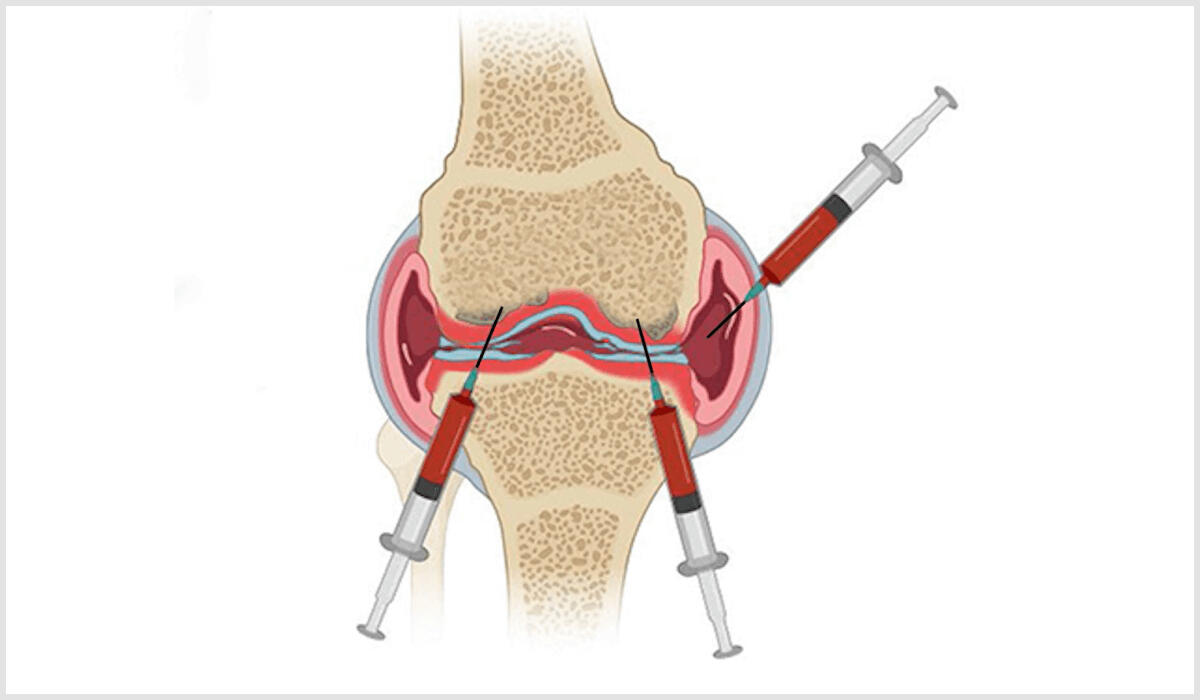
Intraosseous Injections
Intraosseous injections are an innovative approach to regenerative medicine. They involve injecting therapeutic agents directly into the bone, stimulating the body's healing mechanisms to regenerate damaged or diseased bone tissues. By concentrating healing factors directly at the source of pain, intraosseous injections can accelerate recovery and enhance the body's natural restoration process.
Intradiscal Injections
The intradiscal injection technique, often employed for managing discogenic pain, involves the delivery of regenerative medicine directly into the intervertebral discs. This procedure addresses degenerative disc diseases by targeting the source of the issue, encouraging the body's natural healing ability to mend damaged or worn-out discs[6].
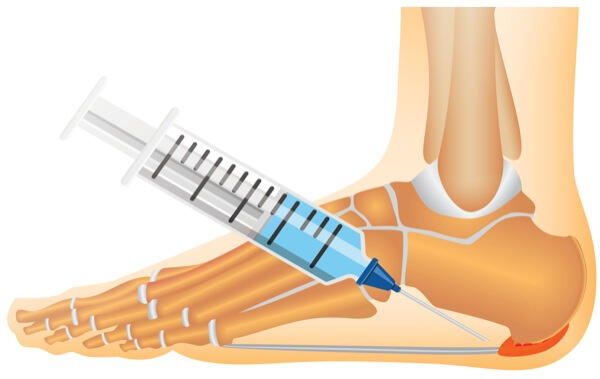
Plantar Fascia Injections
These minimally invasive procedures target plantar fasciitis, a common condition causing severe foot pain. By using regenerative injectable solutions such as platelet-rich plasma (PRP), the body's natural healing capabilities are mobilized to restore the inflamed plantar fascia tissue, relieving pain and improving mobility[4, 8].
Facet Injections
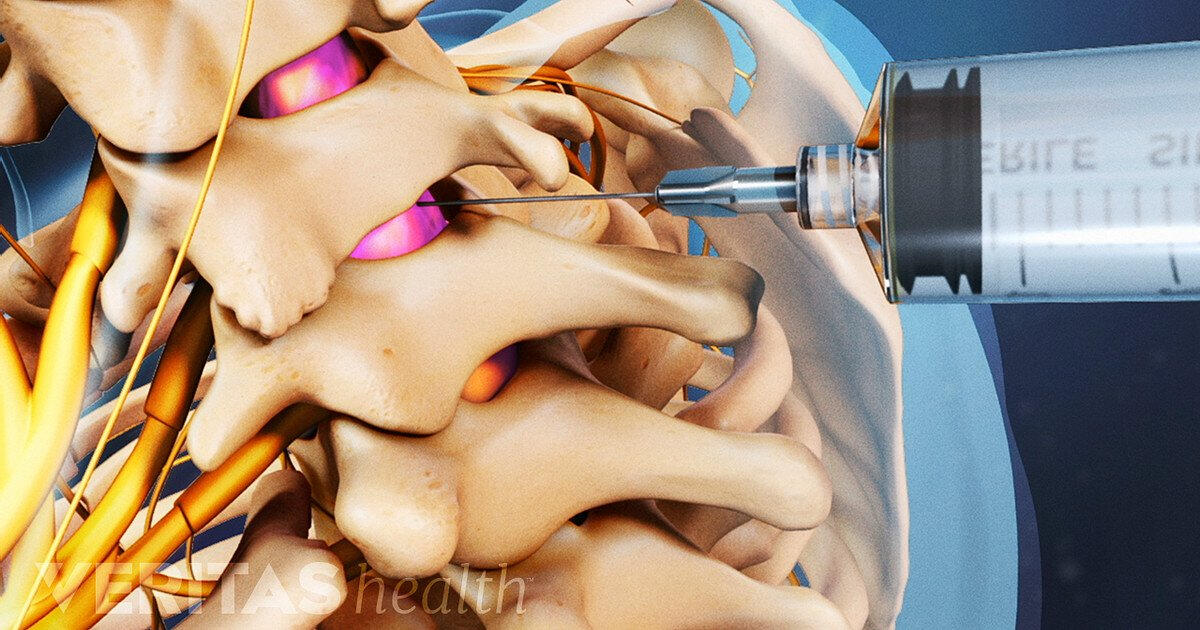
Focused on alleviating pain originating from the facet joints in the spine, facet injections employ regenerative therapies to restore health and function. By injecting therapeutic substances into the affected facet joints, the body's inherent repair mechanisms are activated, promoting the healing of these essential components of the spinal architecture[6].
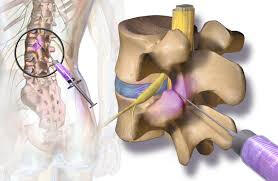
Epidural Injections
Epidural injections constitute a significant aspect of regenerative medicine. They are typically utilized for treating chronic back and lower extremity pain. By injecting healing agents into the epidural space surrounding the spinal cord, these injections mitigate pain and inflammation while stimulating the body's innate recovery processes[7].
Extracorporeal Shockwave Therapy (ECSWT)
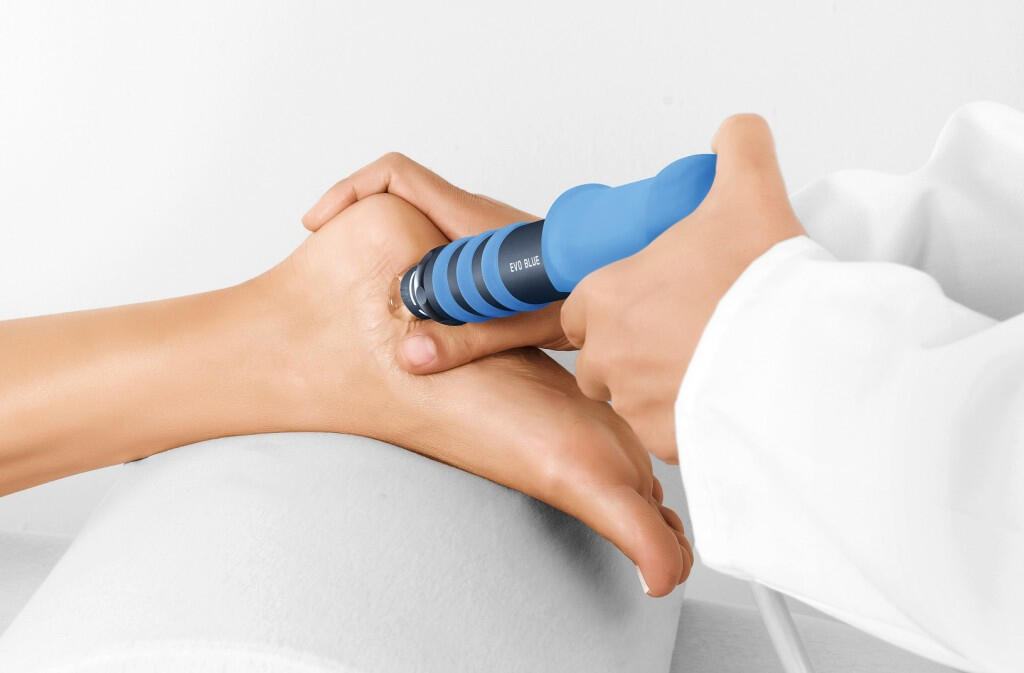
ECSWT is a non-invasive procedure that uses high-energy shock waves to stimulate healing in injured tissues. This therapy helps increase local blood flow, break down calcifications, and promote the body's natural healing processes, relieving various musculoskeletal conditions.
High-Frequency Whole Body Vibration Plate Therapy
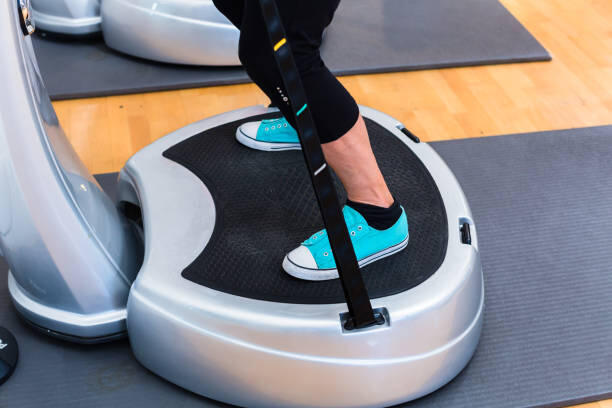
Vibration Plate therapy uses a machine that delivers vibrations to the body, stimulating muscle contractions and improving strength, power, and flexibility. The treatment can be particularly beneficial for improving balance, reducing muscle soreness, and promoting circulation.
Botox Therapy
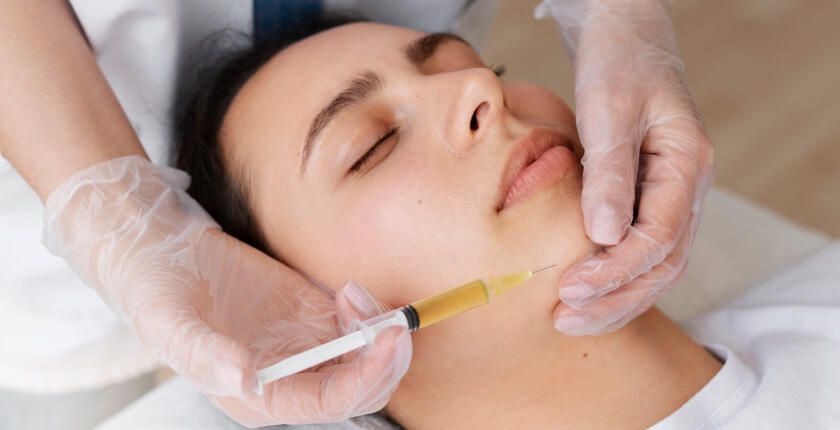
Beyond its well-known cosmetic uses, Botox, or Botulinum toxin, is a potent therapeutic tool for managing pain. It works by blocking nerve signals in the muscles where it is injected, thereby reducing muscle contraction and alleviating discomfort associated with various chronic conditions.
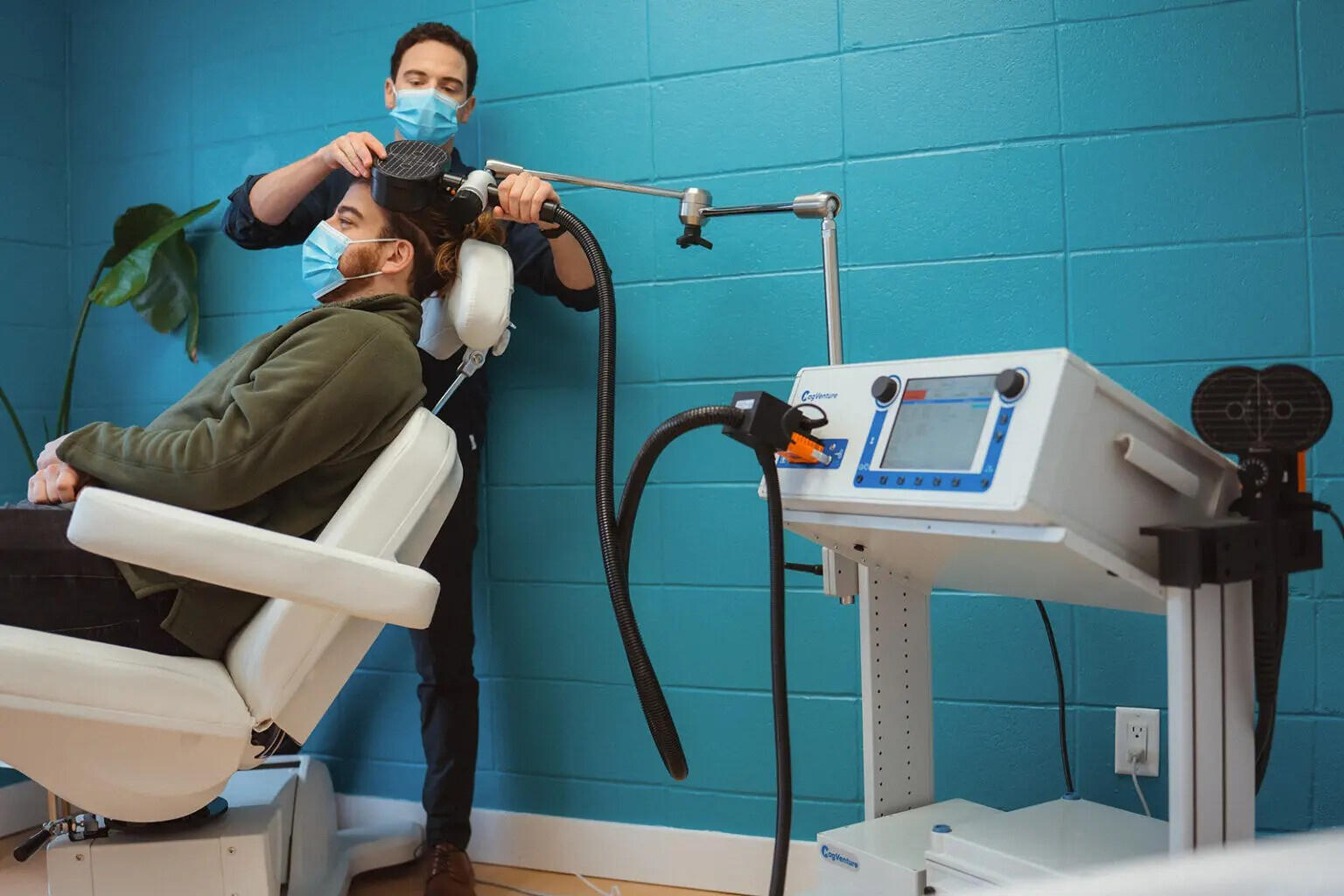
rTMS (Repetitive Transcranial Magnetic Stimulation)
rTMS is a form of brain stimulation therapy used to treat depression and anxiety. It involves using magnetic fields to stimulate nerve cells in specific brain areas involved in mood regulation, such as Broca's areas 9 & 46.
Sub-hypnotic Ketamine Treatment
Sub-hypnotic ketamine treatment involves the administration of low doses of ketamine to alleviate chronic pain and enhance mood. Ketamine works by blocking specific receptors in the brain, reducing pain perception, and has shown promising results in managing chronic pain conditions.

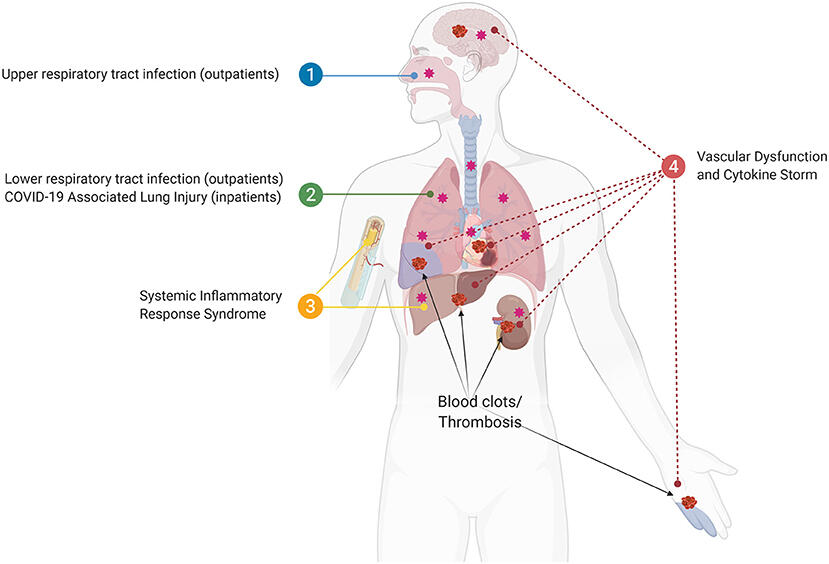
Systemic Meta-Inflammation Reduction
Our systemic meta-inflammation reduction treatments are designed to combat chronic, low-level inflammation in the body—a key factor in many degenerative conditions. By addressing the underlying causes of this inflammation, we can help prevent the progression of disease and promote overall health.
Time Restricted Nutrition, Fasting, and OMAD
These nutritional interventions are designed to improve metabolic health and promote weight loss. Time Restricted Nutrition involves eating within a specific window of time each day. Fasting, or going without food for a certain period, has improved various health markers. The One Meal a Day (OMAD) approach is a form of intermittent fasting that involves eating only one meal per day.

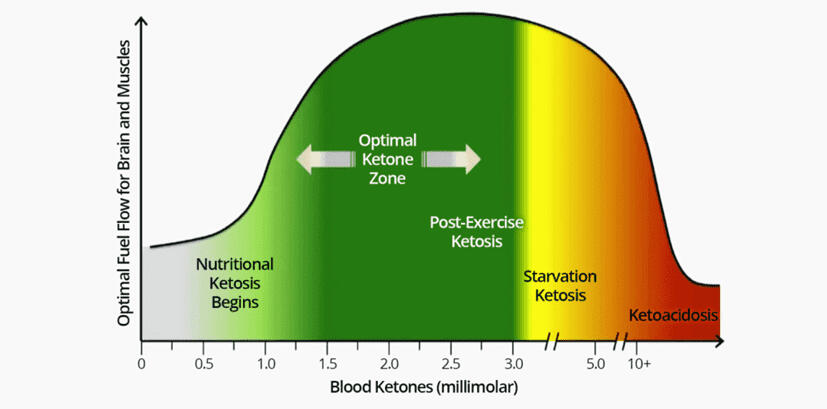
Therapeutic Nutritional Ketosis
Therapeutic Nutritional Ketosis is a powerful tool in our arsenal of regenerative medicine strategies. It can be a potent pathway to enhanced health and well-being. Therapeutic nutritional ketosis can trigger various beneficial effects by manipulating your body's metabolism to run primarily on fats instead of glucose.
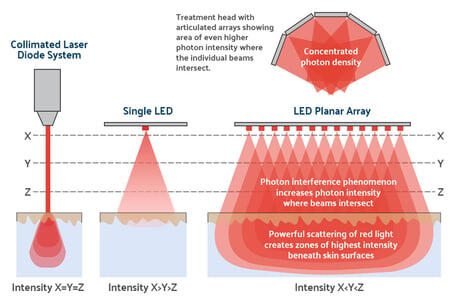
Photobiomodulation and Infrared Light Therapy
Photobiomodulation and Infrared Light Therapy involve using specific wavelengths of light to stimulate cellular function and encourage healing. These therapies can help reduce pain and inflammation, improve circulation, and promote healing wounds and injuries.
Our Treatments
Primary focus will be cervical and lumbar spine disc and joint
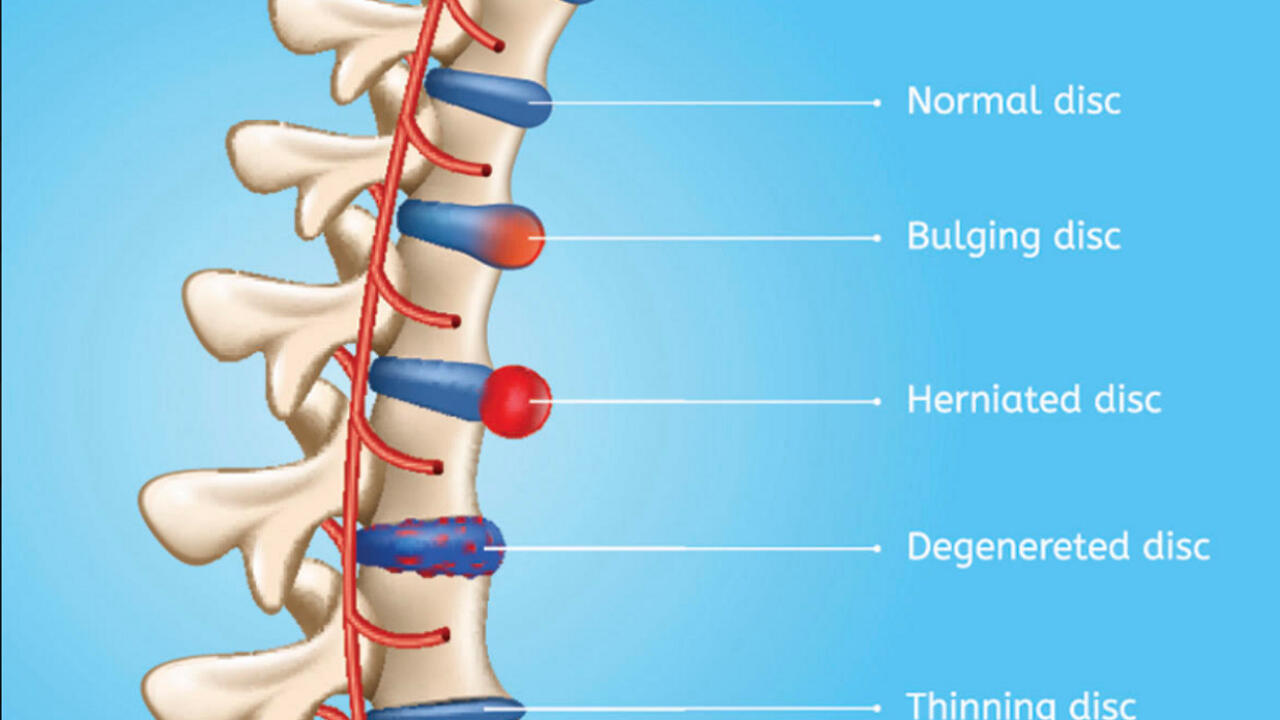
Bulging discs
Intradiscal orthobiologics represent a radical departure from traditional palliative care, shifting the focus from structural masking to biological modulation. By injecting bioactive agents such as platelet-rich plasma (PRP) or bone marrow aspirate concentrate (BMAC) directly into the nucleus pulposus, clinicians aim to arrest the slide toward disc failure. The analytical reality is that these therapies do not turn back the clock to an 18-year-old spine; short of space travel to Mars, everyone gets gray hair and some loss of disc height. Instead, they work by neutralizing dysbiosis of the disc and inflammatory signaling that trigger axial pain. Current ASIPP guidelines support these interventions with Level III evidence, recognizing their potential to fill the treatment gap where conservative care fails but surgery is premature.Meticulous sterile technique and image guidance are mandatory to mitigate risks such as discitis. As research evolves into annulus-sealing technologies, intradiscal biologics offer a sophisticated alternative to the high failure rates of spinal fusion.
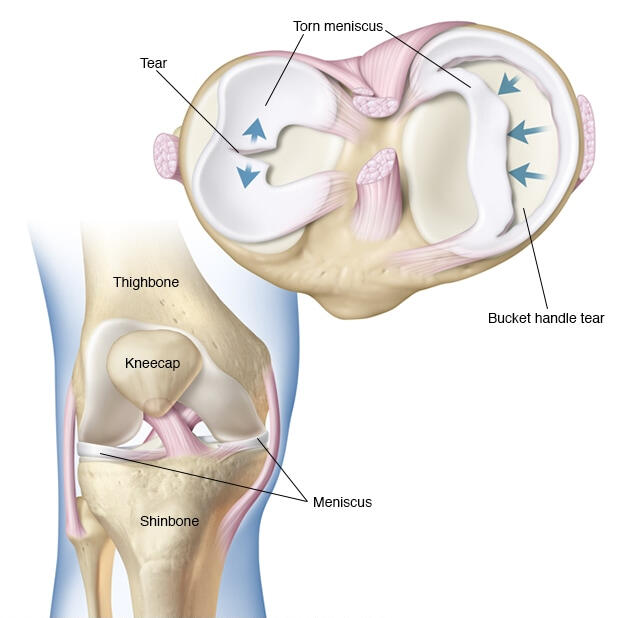
Torn cartilage
Cartilage regeneration is notoriously difficult because the tissue is avascular and lacks a natural repair mechanism. Traditional treatments often ignore the biological terrain, whereas orthobiologics such as platelet-rich plasma and bone marrow aspirate concentrate shift the focus toward cellular signaling and inflammomodulation.While intra-articular injections are standard, they often fail to address the subchondral bone, which acts as the mechanical foundation for cartilage. Intraosseous injections provide a precision strike directly into bone marrow lesions or Modic changes, targeting fluid and swelling within the bone itself. By injecting orthobiologics into this activated bone, clinicians aim to transition a toxic inflammatory environment into a stable anabolic state.This comprehensive approach treats the entire functional unit, avoiding the assembly-line model of surgery.
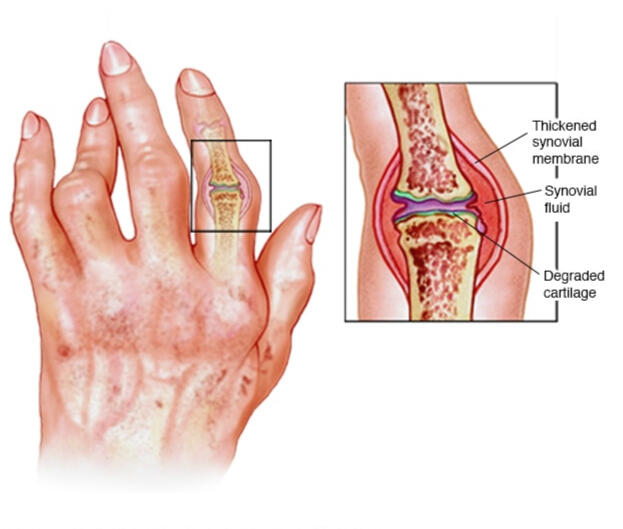
Severe arthritis
Managing severe osteoarthritis requires moving past the simplistic view of joint replacement as the only endgame. Orthobiologics such as bone marrow aspirate concentrate and platelet-rich plasma offer a restorative alternative for patients stuck in the treatment gap. While these therapies do not reverse bone-on-bone arthritis or grow pristine new cartilage, they effectively modulate the toxic joint microenvironment through immunomodulation.An analytical strike involves intraosseous injections directly into activated subchondral bone to address bone marrow lesions that drive mechanical pain. Combining high-dose platelets with hyaluronic acid or bone marrow concentrates can further extend the duration of relief.
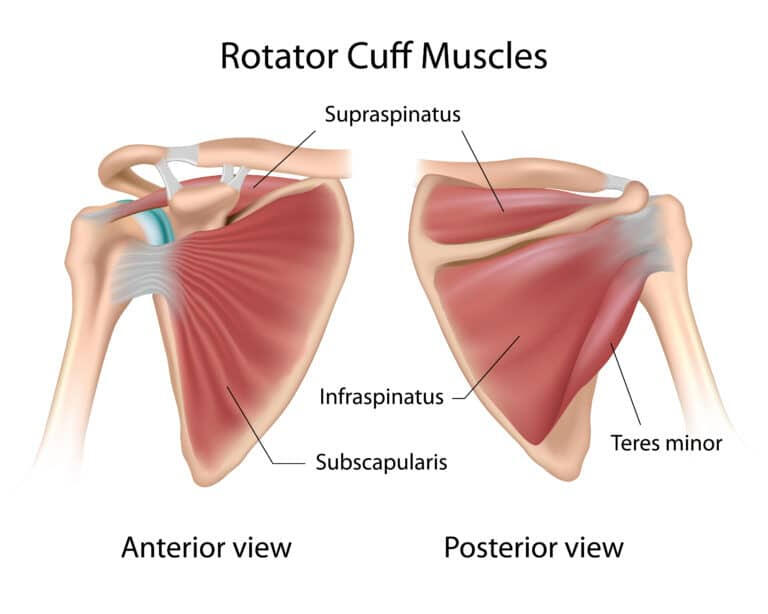
Rotator cuff
Severe rotator cuff injuries are often the casualties of a failing biological terrain where traditional surgery faces dismal re-tear rates. Orthobiologics such as platelet-rich plasma and bone marrow concentrate offer a precision strike to optimize the healing environment.Evidence shows that PRP can significantly reduce pain and, when used to augment surgical repair, lower re-tear rates by approximately one-third. The analytical reality is that leukocyte-rich PRP is often superior for recalcitrant tendinopathies because white blood cells can trigger a robust immune response necessary to restart healing in a stalled environment. This involves growth factors such as platelet-derived growth factor, which stimulate cell replication and angiogenesis to improve blood supply to poorly vascularized tendon tissue.
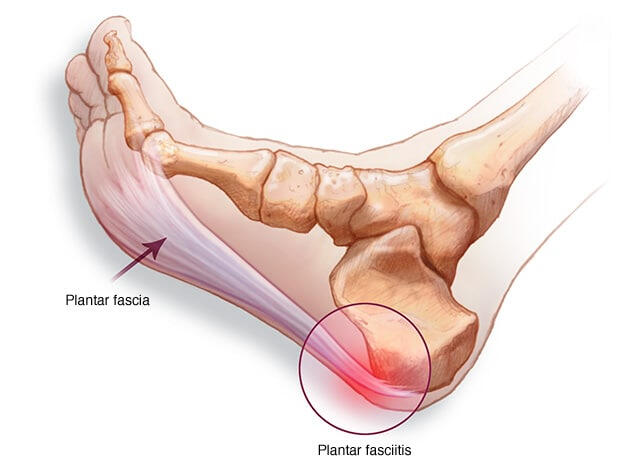
Plantar fasciitis
Orthobiologics such as platelet-rich plasma and amniotic tissue products provide a focused path for treating chronic plantar fasciitis. Analytical evidence from meta-analyses involving over one thousand patients demonstrates that PRP is significantly more effective at reducing pain than corticosteroid injections or extracorporeal shock wave therapy.These treatments improve long-term ankle and hindfoot functional scores. While traditional medicine often relies on palliative masking, biologics use autologous growth factors to stimulate a restorative response.
Successful outcomes require moving beyond blind injections to a holistic model that addresses metabolic health and proper biomechanical movement.
Book a Call
Contact With Us

© Regenxus. All Rights Reserved |