

At Regen.MD, longevity medicine means a physician-led process built on biology we can measure. We check your labs and your metabolic health. We target the risks you can change. We use orthobiologics or peptide medicine with care, when the findings support it. It does not mean promised results. It does not mean an anti-aging plan sold off a shelf. It does not mean a claim that any shot reverses aging. The difference is not marketing polish. It decides what your plan can honestly be built to achieve.
This page draws the line in both directions. In 2026 the term “longevity” is used so loosely that patients arrive with hopes no clinic can meet. The page also shows something patients rarely see. It covers what the published evidence behind each tool really says, and who was enrolled in those studies. And — the part that matters most to the people who come here — it covers who was screened out of them.
What does longevity medicine mean at Regen.MD?
We start from the idea that aging is not one event. It is several biological processes running at different speeds in the same person. That is why a plan aimed at healthspan has to be built from your measurements, not from a template.
That idea has a practical result. Say your main problem is joint pain that rises and falls with metabolic stress. Then the longevity work and the joint work are not separate programs. They are the same evaluation, seen from two angles.
What does longevity medicine include?
- Metabolic and biomarker evaluation — a structured review of your labs and how they change over time. We use it to choose targets, not to confirm a plan made in advance.
- Mitochondrial and cellular energy education — how your cells make energy. We show how that ties to fatigue, recovery, and how much training you can take. We show where it changes the order of care.
- Inflammation biology — how the way we eat now ties to inflammation in the body and brain, when that fits your findings.
- Orthobiologics — PRP into the joint and into tendons, and into the bone (intraosseous and subchondral PRP). Also bone marrow aspirate concentrate, Lipogems, and shots into the disc. Each is used for one joint or tendon target.
- Peptide and longevity medicine — covered as medical and teaching topics within a lab-driven plan.
What does longevity medicine not include?
- Any promise that a program stops or reverses aging.
- Any claim that an orthobiologic rebuilds a worn-out joint or brings lost cartilage back to its original form.
- Any promise that care will never need to step up if symptoms or function get worse.
- One plan for everyone. The same treatment does not act the same way in two different metabolic terrains.
- Peptides sold as a product. They are a medical and teaching topic here, not merchandise.
How can you tell whether a longevity claim is backed by evidence?
Almost every public fight about longevity medicine is really a fight about evidence. What counts, how strong is it, and who does it apply to? Three distinctions do most of the work. We use them openly in the evaluation. We do not present a study as settled when it is not.
Who a trial enrolled is part of what the trial found
Randomized trials earn their authority by controlling who gets in. That same control is a limit. The entry list decides which people the result describes. Trials in this field often shut out many groups. They leave out obesity above a set level and poorly controlled diabetes. They leave out inflammatory and autoimmune disease, blood thinners, and drugs that weaken the immune system. They leave out recent cancer and past use of the therapy being studied. Those are several of the very traits that bring people to a metabolic and regenerative practice in the first place.
A small or null result in a screened group is a real finding about that group, and we report it as one. It is not proof that the same treatment fails in patients who would not have qualified for the trial. Reading it that way is an error in both directions. It can make a useful treatment look worthless. And it can make a treatment tested only in healthy volunteers look safer than it is in someone with metabolic disease.
Efficacy under trial conditions is not effectiveness in a clinic
Trials usually test one thing at a time, on a fixed schedule, for a fixed period, against one outcome. Care is staged and combined. It is adjusted to how you respond. And it goes on past the twelve-month mark where most trials stop. A trial of one treatment cannot measure what a combination does. Short follow-up cannot measure how long results last.
That argument cuts every way. It is a reason not to dismiss a therapy over one negative trial. It is just as much a reason not to claim a benefit no trial has measured. When we lean on it, we say so.
Most longevity markers are associations, not levers
Heart and lung fitness, grip strength, and telomere length are all linked to how long people live. Nearly all of that evidence comes from studies that watch groups of people over time. Those can show that a marker tracks with risk. They cannot show that moving the marker moves the risk. They also enroll the general public, not clinic patients. So the numbers describe a different group than the one sitting in the room.
That is not a reason to ignore the markers. It is a reason to label them honestly, which is what the rest of this page tries to do.
Biological aging frameworks, and what we actually do with them
Part of the confusion is that “longevity” can point to several biological models at once. Ideas like telomere biology and gene activity help explain why a plan is put in a certain order. They are not shortcuts to a treatment decision.
We treat them as teaching tools. When you read about an aging marker, the honest view is this. The step from that marker to a specific treatment is often not proven. We will say when that is the case, instead of making up a protocol around it.
What the fitness and strength data show, and what they do not
One look-back study covered 122,007 adults sent for treadmill stress testing at one United States health system between 1991 and 2014. Higher heart and lung fitness went with lower long-term death rates. There were 13,637 deaths over a median 8.4 years of follow-up. Adults in the elite fitness group had an adjusted hazard ratio of 0.20 (95% CI, 0.16–0.24) for death from any cause, compared with the lowest-scoring quarter. The authors saw no upper limit of benefit [1].
That is a study of people sent for a stress test. It is not a random sample, and it is not a trial. It left out adults who had a drug-based stress test and those who could not reach 85% of their predicted top heart rate. By design, that removes many of the least fit and most medically complex patients [1].
Grip strength shows the same pattern in a very different group. The Prospective Urban Rural Epidemiology (PURE) study covered 139,691 adults. They came from households in 17 countries with at least one member aged 35 to 70. Each 5 kg lower grip strength went with a hazard ratio of 1.16 (95% CI, 1.13–1.20) for death from any cause. It was 1.17 (95% CI, 1.11–1.24) for death from heart disease, over a median 4.0 years. That made grip strength a stronger predictor of those outcomes than systolic blood pressure. There was no real link with new diabetes, fall injury, or fracture [2].
The PURE researchers said plainly that more research is needed to test whether getting stronger lowers death and heart disease [2]. We hold the same view. Fitness and strength stay in the plan because you can change them, measure them, and they keep showing links to outcomes. They are not there because a trial has shown that raising them extends life.
Telomeres, and why longer is not simply better
Telomere length is the most hyped aging marker. It is also the clearest case of why a marker is not a target by default. One study used genes to test cause and effect. That type is called Mendelian randomization. It covered 35 cancers and 48 other diseases. It included 420,081 cases and 1,093,105 controls. Genetically longer telomeres went with higher risk of several cancers — glioma, odds ratio 5.27 (95% CI, 3.15–8.81); lung adenocarcinoma, 3.19 (95% CI, 2.40–4.22); melanoma, 1.87 (95% CI, 1.55–2.26). They also went with lower risk of coronary heart disease, 0.78 (95% CI, 0.67–0.90), and abdominal aortic aneurysm, 0.63 (95% CI, 0.49–0.81) [3].
That study looked at telomere length set by inherited genes. It was not a trial of making telomeres longer, and no such treatment is offered here. The finding stands on its own for our purposes. The direction of benefit is not the same for every disease. So “longer telomeres” cannot serve as a treatment goal. We use telomere biology to explain the order of care. We do not build a protocol around it.
What does a longevity metabolic audit measure?
If you want the most concrete answer to what longevity medicine includes here, it is the metabolic audit. That means checking lab markers and tracking their trends. We use it to pick targets, then to check whether the targets are moving.
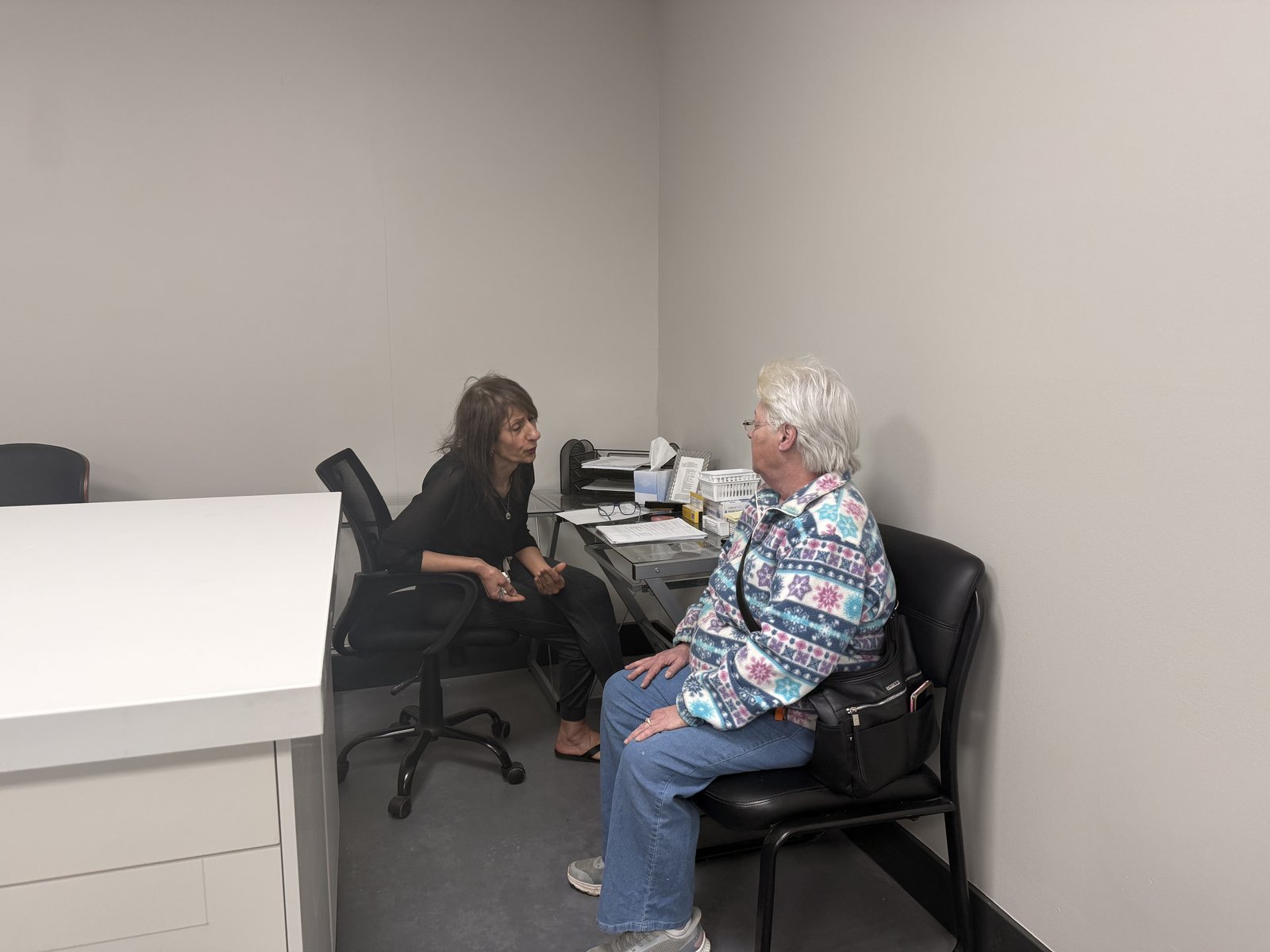
The audit also does something the published research cannot do for you. Trials often screen out uncontrolled diabetes, high body mass index, autoimmune disease, and blood thinners. So the studies behind a choice were often run in people whose body chemistry is nothing like yours. Measuring your terrain is how we work out which published results likely apply to you, and which do not.
What a metabolic audit does not do
- It does not replace diagnosis. If something needs a standard medical workup, it still needs a standard medical workup.
- It does not promise symptom relief. It tells us what to aim at and whether we are hitting it.
- It is not a test that proves anything about how long you will live. It is a tool for making decisions.
That habit of measuring matters most when joint pain tracks with metabolic stress. In those cases, treating the joint alone tends to give short-lived results.
Where orthobiologics fit, and where they stop
Many people come to longevity medicine through a joint problem. Usually it is a knee, and usually after being told surgery is next. Orthobiologics are one part of the larger plan, and this is where the line matters most.
We offer PRP into the joint and into tendons, and into the bone (intraosseous and subchondral PRP). We also offer bone marrow aspirate concentrate, Lipogems, and shots into the disc. In advanced knee osteoarthritis, PRP is framed as a safe bridge therapy before joint replacement. We make no claim that any of these restores lost cartilage.
The largest placebo-controlled PRP trial, and what it found
The RESTORE trial randomly assigned 288 adults recruited from the community (mean age 61.9 years, 59% female). All had mild-to-moderate arthritis on the inner side of the knee, with symptoms. They got three weekly shots into the joint of either leukocyte-poor PRP or saline placebo. The trial ran at two radiology centers in Sydney and Melbourne between August 2017 and July 2020. 269 participants (93%) finished the study [4].
It was negative. At 12 months, knee pain fell 2.1 points in the PRP group and 1.8 points in the placebo group. The difference was −0.4 (95% CI, −0.9 to 0.2; P = .17), against a smallest meaningful difference of 1.8 points. Cartilage volume on the inner shin bone fell 1.4% with PRP and 1.2% with placebo, a difference of −0.2% (95% CI, −1.9% to 1.5%; P = .81). Of 31 secondary outcomes, only overall improvement at 2 months favored PRP [4]. That is what the trial found, and nothing below reverses it.
Whom RESTORE screened out
The published protocol lists 22 reasons to shut people out. People were excluded for Kellgren-Lawrence grade 1 or grade 4 disease. They were excluded if narrowing on the outer side of the knee was greater than or equal to the inner side. A steroid shot in the past 3 months or hyaluronic acid in the past 6 months ruled people out. So did any blood product or stem cell shot at any time in the past. So did knee surgery on that knee within 12 months. So did whole-body or inflammatory joint disease such as rheumatoid arthritis. So did a history of crystal or nerve-damage joint disease, a past knee replacement or high tibial osteotomy, or plans for joint surgery in the next 12 months [5].
The list goes on. It excluded other muscle, joint or nerve problems affecting the legs, and fear of needles. It excluded weakened immunity or active infection, and cancer or other tumors, or their treatment, in the last 3 years. It excluded bleeding disorders or blood thinners, and a warm, tense, swollen joint. It excluded a platelet count below 150,000/µL, anything ruling out an MRI, and pregnancy. It excluded people unwilling to stop anti-inflammatory pills like ibuprofen for the whole study. And it excluded a body mass index above 40 kg/m². The protocol says that last one was about fitting the MRI knee coil, not a medical judgment [5].
Read that list against a regenerative clinic’s waiting room. Grade 4 disease — the severe end — was excluded. So was anyone who had already tried a blood product and come back. So were whole-body inflammatory disease, weakened immunity, blood thinners, a low platelet count, and obesity past a set level. RESTORE is strong evidence about one thing. That is three weekly leukocyte-poor PRP shots, given alone, over twelve months. It applies to adults with grade 2 or 3 inner-knee osteoarthritis and no inflammatory or blood problem. It was not designed to answer any other question, and it does not.
What has accumulated since, and where it is unsettled
A 2025 meta-analysis pooled 18 randomized controlled trials of PRP versus placebo shots in knee osteoarthritis. It covered 1,995 patients (1,047 PRP, 948 control) across Kellgren-Lawrence grades 1 to 4. It found real gains in function on the WOMAC score at 1, 3, 6, and 12 months. It found pain relief beyond the smallest meaningful difference on a pain scale at 3 and 6 months [6].
The same study found that platelet count changed the result. It used a cutoff of 1,000,000 ± 20% platelets/µL. High-platelet shots beat the pain threshold at 3, 6, and 12 months. Low-platelet shots gave no pain benefit patients could feel at any time point [6]. RESTORE used a leukocyte-poor preparation [4]. The meta-analysis authors note that trials in this field differ in many ways. These include the amount of blood drawn, the anticoagulant, the number and speed of spins, the final volume, white cell content, platelet count and how platelets are activated. They call this a large amount of variation in the field. They also note few studies support each sub-analysis [6].
This is what a truly unsettled question looks like. It should be described as unsettled, not as resolved either way. A pooled estimate across mixed preparations does not overturn a well-run negative trial. And one negative trial of one preparation does not settle a body of research in which the preparation itself seems to change the answer.
The severe-disease population the trials usually exclude
One randomized trial went looking at the very group RESTORE screened out. It was a double-blind trial at two Spanish public hospitals. It randomly assigned 86 patients aged 40 to 75 with Kellgren-Lawrence grade III–IV knee osteoarthritis. All had at least six months of moderate-to-severe symptoms and no response to other drugs. Everyone got three shots of plasma rich in growth factors into the joint. The random comparison was whether the first session also included a shot of the same preparation into the bone, or of saline [7].
Both groups improved a lot from the start on all KOOS and WOMAC scales at 3, 6, and 12 months. The group that got the shot into the bone improved more in nearly every area — pain, symptoms, function, and quality of life — at every time point. No serious side effects were recorded. 15 patients, 7 in one group and 8 in the other, had pain and swelling in the first 72 hours that went away on its own. Two patients, one from each group, left the study to get a knee replacement [7].
This trial has its own entry limits, and they are close to the ones that matter here. It left out a body mass index of 35 or above. It left out poorly controlled high blood pressure or diabetes. It left out autoimmune disease and drugs that weaken the immune system. It also excluded active cancer treatment or follow-up, and blood thinners or anti-platelet drugs that could not be paused [7]. Also know that three of its authors work with the biotech company behind the preparation studied. The paper discloses this [7].
Next to it sits a look-back study of 667 patients treated with PRP at a single Spanish center. Of those who later had a knee replacement, 74.1% had delayed it by more than 1.5 years, with a median delay of 5.3 years. And 85.7% had not had a replacement within five years of treatment. That study had no control group and no randomization. There was no way to know what those same patients would have done untreated. Its own authors concluded only that PRP could delay replacement and that more study is needed [8].
Taken together, that is the honest basis for the position above. In advanced knee osteoarthritis, PRP is offered as a safe bridge therapy before joint replacement. It buys function and time in a joint that already has structural damage, in a patient for whom surgery is on the table. It is not offered as a way to dodge an operation that has become necessary. It is not offered as structural repair.
What orthobiologics do not do
- They do not promise that joint or tendon pain goes away.
- They do not promise that surgery will never be needed.
- They do not act on aging as a whole. They act on a tissue target that has been found.
- They do not work the same across preparations. Platelet count, white cell content, and how the shot is given all seem to matter, and the field has not standardized any of them [6].
Peptides, muscle loss, and the limits of the conversation
Peptide therapy is where hopes most often outrun the evidence. Here it is a physician-directed medical and teaching topic, framed within lab-driven plans. It is not something you buy from a menu.
Sarcopenia, or muscle loss with age, is the practical side of this for most patients. Muscle loss decides mobility and independence long before anything else does. Peptides may be part of a plan to keep muscle when it makes medical sense. But they are not offered as a stand-alone answer to age-related muscle loss. Loading, protein intake, and metabolic control remain the base. The evidence below is a big part of why we hold that line.
What two years on the growth hormone axis actually produced
The longest randomized data on boosting the growth hormone system in older adults comes from one trial. It was a two-year, double-blind, placebo-controlled trial of a pill that mimics ghrelin, in 65 healthy adults aged 60 to 81. Lean mass rose 1.1 kg (95% CI, 0.7 to 1.5) in the treated group. It fell 0.5 kg (95% CI, −1.1 to 0.2) on placebo, a real difference. Body weight rose 2.7 kg versus 0.8 kg [9].
Strength and function did not follow. The researchers found no real group differences in total work for knee bending or straightening, or for shoulder extension. They found no real changes in any measure of function. Fasting blood sugar rose an average of 5 mg/dL, hemoglobin A1c rose 0.2%, and insulin sensitivity dropped [9]. That last group of findings is the part a metabolic practice has to take seriously.
Note who was in that trial: healthy adults, screened to rule out disease. Diabetes was an exclusion. So were a body mass index of 35 or above, untreated high blood pressure, thyroid disease, smoking, and any drug affecting growth hormone release [9]. So the trial neither proves nor disproves anything about a patient with insulin resistance. But its metabolic signal showed up in people chosen for good metabolic health. That is a reason for more caution in that patient, not less. The compound studied is not a peptide and is not used here. It is cited because it is the cleanest long-term test of the same pathway that growth hormone peptides are said to work through.
Why loading stays the foundation
The comparison case teaches a lot. One randomized trial took 100 frail nursing home residents with a mean age of 87.1 years (range 72 to 98). Ten weeks of steadily harder strength training raised muscle strength by 113% ± 8%, against 3% ± 9% in people who did not exercise. It raised walking speed by 11.8% ± 3.8%, against a 1.0% decline. It raised stair-climbing power by 28.4% ± 6.6%, against 3.6% ± 6.7%. A multi-nutrient supplement without exercise had no effect on any main outcome [10].
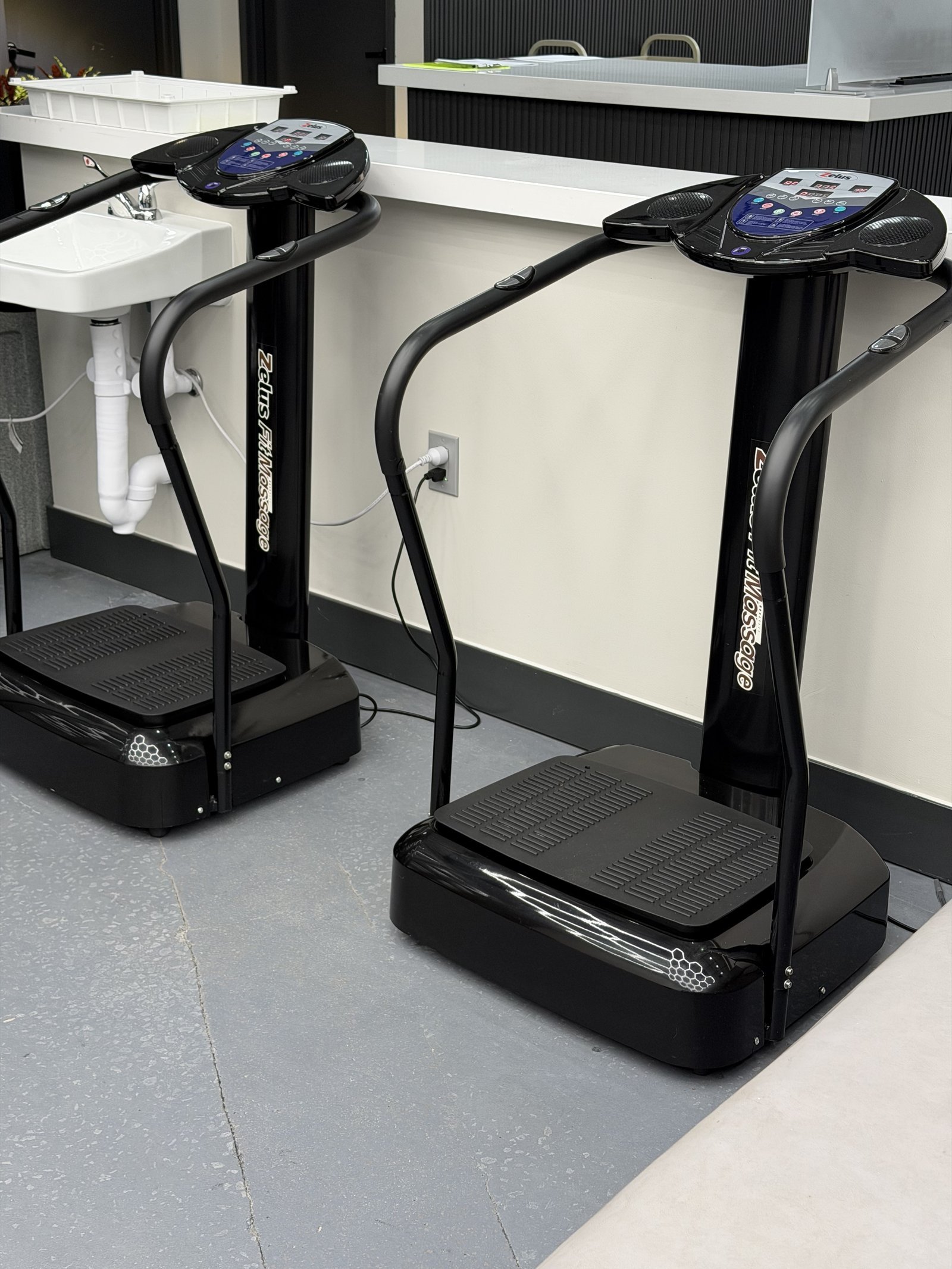
That study ran for ten weeks in the frailest group there is. So it says nothing directly about a 55-year-old, and nothing about results past ten weeks. What it does show is that loading the muscles still brought large gains in function at 87 years of age. That held in exactly the patients most trials leave out. Meanwhile, a supplement without loading did nothing. Any talk about peptides and muscle that skips past that finding has the order backwards.
How risk, benefit, and coverage are actually discussed
The evaluation is where all of this gets applied to one person. For any treatment we consider, we cover what the evidence shows and whom it was drawn from. We cover whether you resemble that group, and what is truly unknown. We cover the likely harms, and what would make us stop or change course.
Where a treatment was tested mostly in people unlike you, we say so. Then we treat the plan as a monitored trial of one, with set checkpoints, not a settled protocol. Where the evidence is strong, we say that too. The goal is that you can say back, in your own words, what is known and what is not before anything is booked.
Insurance is a separate talk and belongs in a separate box. Whether a payer covers a service is a coverage and payment decision made by that payer. It is not a finding about whether the treatment works. It never counts as medical evidence either way. For services a payer does not cover, patients sign an advance beneficiary notice that says so before anything goes ahead. That way the money side is settled in writing before care, not found out afterward.
“My ethos is to treat all of my patients as I would my own family, with the goal of giving them back their quality of life.” — Dr. Gurpreet Singh Padda, MD, MBA, MHP
Conservative first, and what happens when conservative care runs out
Care begins with a physician-led Clinical Evaluation with Dr. Gurpreet Singh Padda, MD, MBA, MHP. Then a plan is built from the findings, not from a package.
We put conservative care first whenever it makes medical sense. When conservative care has truly run its course, surgery is a fair next step, and it is available here — Dr. Padda is a surgeon. What we do not do is make surgery the opening move. We also do not present a biologic shot as a way to dodge a decision that has already become necessary.
The clinic is at 4477 Woodson Rd, Suite 103, St. Louis, MO 63134, next to St. Louis Lambert International Airport. Details are on our St. Louis clinic page.
For more information, get our free guide to knee pain and treatment options.
Find out what is actually driving your pain
Regen.MD begins with a physician-led Clinical Evaluation — a review of your history, imaging, and metabolic data, and a written terrain roadmap. Evaluation is contingent upon review of your data.
Questions? Call or text us.
Frequently Asked Questions
Is longevity medicine just peptides?
No. Peptide and longevity medicine is one teaching lane inside a bigger plan. The backbone of that plan is checking your labs and metabolic health. Most patients spend far more of the plan on that work than on peptides. You can see how the evaluation is set up in our approach to clinical evaluation.
Is longevity medicine the same thing as orthobiologics?
They are not the same. Orthobiologics aim at one joint or tendon. Longevity medicine aims at the health of the whole body over time. A plan can include one without the other. The procedures themselves are listed on our orthobiologics services page.
A large trial found PRP was no better than saline. Why is it still offered?
Because that trial answered a narrower question than people usually quote it for. It studied three weekly leukocyte-poor shots, given alone over twelve months, in adults with grade 2 or 3 knee osteoarthritis. Its protocol left out severe grade 4 disease, inflammatory joint disease, blood thinners, weakened immunity, past blood product shots, and body mass index above 40. The result stands for that group. Separate randomized work in grade III–IV disease shows a different picture. That is why the decision is made per patient, not per headline. Background reading on these topics is in the Regen.MD library.
Can I buy peptides from Regen.MD?
No. Peptides are covered here as medical and teaching topics within a physician-directed, lab-driven plan. This practice does not sell them as a product. The approach is laid out on our peptide therapy page.
Will this let me avoid a knee replacement?
No honest plan can promise that. In advanced knee osteoarthritis, PRP is framed as a bridge therapy before joint replacement, not a replacement for it. What the evaluation can do is tell you where you really stand. That is the point of reviewing the conditions we evaluate before deciding anything.
Does Regen.MD perform surgery, or only alternatives to it?
Both. Conservative and non-surgical care comes first whenever it makes medical sense. When it has run its course, surgery is available here instead of being referred away, because Dr. Gurpreet Singh Padda, MD, MBA, MHP is a surgeon.
What is longevity medicine?
At Regen.MD, longevity medicine is a physician-led process built on biology we can measure. We check your labs and your metabolic health. We target the risks you can change. We use orthobiologics or peptide medicine with care, when your findings support it. The plan is built from your own measurements, not a template. Aging is several biological processes running at different speeds in the same person.
Is longevity medicine legitimate?
The term is used loosely, so judge what is behind it. Here it means measured labs tracked over time. It means no promise that anything stops or reverses aging, and no protocol sold off a shelf. For every option we cover what the evidence shows, who the studies enrolled, whether you resemble them, and what is still unknown. Markers such as fitness, grip strength, and telomeres are labeled as links, not proven levers.
Sources
- Mandsager K, Harb S, Cremer P, Phelan D, Nissen SE, Jaber W. “Association of Cardiorespiratory Fitness With Long-term Mortality Among Adults Undergoing Exercise Treadmill Testing.” JAMA Network Open, 2018;1(6):e183605. https://doi.org/10.1001/jamanetworkopen.2018.3605 — referenced for the 122,007-adult retrospective cohort, the 13,637 deaths over a median 8.4 years, and the adjusted hazard ratio of 0.20 (95% CI, 0.16–0.24) for elite versus low cardiorespiratory fitness.
- Leong DP, Teo KK, Rangarajan S, et al. “Prognostic value of grip strength: findings from the Prospective Urban Rural Epidemiology (PURE) study.” The Lancet, 2015;386(9990):266–273. https://doi.org/10.1016/S0140-6736(14)62000-6 — referenced for the 139,691 participants across 17 countries, the hazard ratios per 5 kg lower grip strength, the comparison with systolic blood pressure, and the authors’ statement that further research is needed to test whether improving strength reduces mortality.
- Telomeres Mendelian Randomization Collaboration; Haycock PC, Burgess S, Nounu A, et al. “Association Between Telomere Length and Risk of Cancer and Non-Neoplastic Diseases: A Mendelian Randomization Study.” JAMA Oncology, 2017;3(5):636–651. https://doi.org/10.1001/jamaoncol.2016.5945 — referenced for the 35 cancers and 48 non-neoplastic diseases analyzed, the 420,081 cases and 1,093,105 controls, and the odds ratios for glioma, lung adenocarcinoma, melanoma, coronary heart disease, and abdominal aortic aneurysm.
- Bennell KL, Paterson KL, Metcalf BR, et al. “Effect of Intra-articular Platelet-Rich Plasma vs Placebo Injection on Pain and Medial Tibial Cartilage Volume in Patients With Knee Osteoarthritis: The RESTORE Randomized Clinical Trial.” JAMA, 2021;326(20):2021–2030. https://doi.org/10.1001/jama.2021.19415 — referenced for the 288 participants, the leukocyte-poor preparation, the 12-month pain and cartilage-volume results with confidence intervals, and the secondary-outcome findings.
- Paterson KL, Hunter DJ, Metcalf BR, et al. “Efficacy of intra-articular injections of platelet-rich plasma as a symptom- and disease-modifying treatment for knee osteoarthritis — the RESTORE trial protocol.” BMC Musculoskeletal Disorders, 2018;19:272. https://doi.org/10.1186/s12891-018-2205-5 — referenced for the trial’s four inclusion criteria and its 22 exclusion criteria as published, including the grade 4 exclusion and the stated reason for the body mass index limit.
- Bensa A, Previtali D, Sangiorgio A, Boffa A, Salerno M, Filardo G. “PRP Injections for the Treatment of Knee Osteoarthritis: The Improvement Is Clinically Significant and Influenced by Platelet Concentration: A Meta-analysis of Randomized Controlled Trials.” The American Journal of Sports Medicine, 2025;53(3):745–754. https://doi.org/10.1177/03635465241246524 — referenced for the 18 trials and 1,995 patients, the WOMAC and visual analog scale results against their minimal clinically important differences, the 1,000,000 ± 20% platelets/µL subanalysis, and the authors’ account of preparation heterogeneity.
- Sánchez Santiuste M, Vaquerizo García V, Pareja Esteban JA, Prado R, Padilla S, Anitua E. “Plasma Rich in Growth Factors (PRGF) Versus Saline Intraosseous Infiltrations Combined with Intra-Articular PRGF in Severe Knee Osteoarthritis: A Prospective Double-Blind Multicentric Randomized Controlled Trial with 1-Year Follow-Up.” Journal of Clinical Medicine, 2025;14(22):8075. https://doi.org/10.3390/jcm14228075 — referenced for the 86 randomized patients with Kellgren-Lawrence grade III–IV disease, the inclusion and exclusion criteria, the KOOS and WOMAC results, the adverse-event record, and the authors’ disclosed affiliation with the manufacturer of the preparation studied.
- Sánchez M, Jorquera C, Sánchez P, Beitia M, García-Cano B, Guadilla J, Delgado D. “Platelet-rich plasma injections delay the need for knee arthroplasty: a retrospective study and survival analysis.” International Orthopaedics, 2021;45(2):401–410. https://doi.org/10.1007/s00264-020-04669-9 — referenced for the 667 patients meeting inclusion criteria, the 74.1% who delayed replacement by more than 1.5 years, the median 5.3-year delay, the 85.7% five-year figure, and the authors’ own call for further study.
- Nass R, Pezzoli SS, Oliveri MC, et al. “Effects of an oral ghrelin mimetic on body composition and clinical outcomes in healthy older adults: a randomized trial.” Annals of Internal Medicine, 2008;149(9):601–611. https://doi.org/10.7326/0003-4819-149-9-200811040-00003 — referenced for the 65 healthy adults aged 60 to 81, the fat-free mass and body weight results, the absence of strength and function changes, the fasting glucose and hemoglobin A1c changes, and the exclusion criteria.
- Fiatarone MA, O’Neill EF, Ryan ND, et al. “Exercise training and nutritional supplementation for physical frailty in very elderly people.” The New England Journal of Medicine, 1994;330(25):1769–1775. https://doi.org/10.1056/NEJM199406233302501 — referenced for the 100 frail nursing home residents of mean age 87.1 years, the strength, gait velocity and stair-climbing power results, and the finding that the multinutrient supplement alone had no effect on any primary outcome.
- Regen.MD, “Orthobiologics — Intraosseous & Subchondral PRP, BMAC, Failed PRP Revision,” https://regen.md/services/orthobiologics/ — referenced for the orthobiologic procedures this practice performs.
- Regen.MD, “Physician-Directed Peptide Therapy — Lab-Driven Protocols,” https://regen.md/services/peptide-therapy/ — referenced for the physician-directed, lab-driven framing of peptide medicine and for the fact that peptides are not sold as a product.
- Regen.MD, “Biological Aging, Telomeres & Gene Expression,” https://regen.md/biological-aging-telomeres-gene-expression/ — referenced for the biological-aging concepts used as educational scaffolding.
- Regen.MD, “The Metabolic Audit: Can Your Body Heal?,” https://regen.md/metabolic-audit-biomarkers/ — referenced for the metabolic audit and biomarker-trend monitoring described above.
- Regen.MD, “Mitochondrial Dysfunction and Healing,” https://regen.md/mitochondrial-dysfunction-cellular-energy/ — referenced for the mitochondrial and cellular-energy material.
- Regen.MD, “Brain Inflammation & the Modern Diet,” https://regen.md/brain-inflammation-metaflammation/ — referenced for the inflammation and diet material.
- Regen.MD, “Muscle Loss and Aging: Sarcopenia,” https://regen.md/muscle-loss-aging-sarcopenia-peptides/ — referenced for the sarcopenia material.
- Regen.MD, “Our Approach,” https://regen.md/our-approach/ — referenced for the Clinical Evaluation process and conservative-first sequencing.
Note on sources: entries 1 through 10 are primary literature that was read for this page; each statistic in the body is attributed inline to the numbered entry it came from, and the population that statistic describes is named alongside it. Entries 11 through 18 are this practice’s own clinical and educational pages, cited only for statements about what this practice does and how it sequences care. No figure appears in this article without a source in this list.