
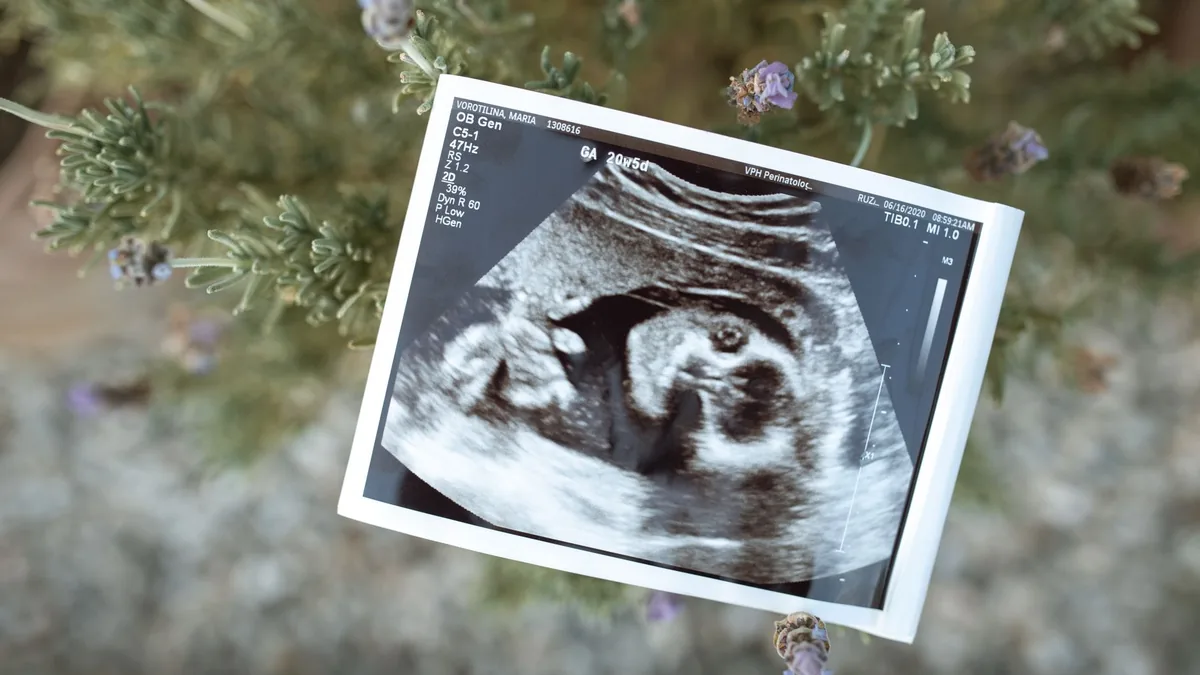
A clean scan means nothing structural is torn or herniated. It does not mean nothing is wrong. Pain that structure alone cannot explain often comes from systemic inflammation, mitochondrial dysfunction and insulin resistance. None of those show up on an MRI.
The scan came back clean. Nothing torn, nothing herniated, nothing to operate on. And you are still in pain every day. That is when someone gently suggests it might be in your head.
You are not imagining it. The scan was accurate. It was just looking in the wrong place.
Why doesn’t surgery always cure pain?
Start with the logic. Say pain were only a structural defect, a mechanical fault in a machine. Then fixing the structure would end the pain for good. Every surgery would be a permanent cure.
That is not what happens. And this is not a rare failure. It is so common that a whole crowd of people now holds normal scans and broken lives.
So the question worth asking is not “what is broken.” It is “why is this body producing a pain signal that structure alone does not explain.”
Three epidemics, one root
Here is the fact that changes everything. The opioid epidemic, the chronic pain epidemic and the diabetes epidemic have grown together. Not one after another. Not by chance. Together.
The medical system treats these three crises in three separate departments. They share one root: systemic inflammation, mitochondrial dysfunction, and insulin resistance.
That trio is not a metaphor. Systemic inflammation is a steady, body-wide state of inflammation. Mitochondrial dysfunction means the cell’s power plants are failing. Those power plants make the energy every repair job needs. Insulin resistance is a breakdown in the signals that let your cells get fuel. Put together, they describe a body that is inflamed, out of energy and getting the wrong signals. A body in that state makes pain whether or not there is a tear on the film.
Is pain the problem or a warning sign?
Your pain is not the disease. It is the alarm.
This difference matters a great deal. A smoke detector that will not stop beeping is doing exactly what it was built to do. You can silence it. Pull the battery, muffle it, sedate it. The room gets quieter. The fire keeps burning.
Most chronic pain care is battery removal. It is not cruel and it is not stupid. It is what a system built around quieting symptoms knows how to do. But silencing the alarm does not put out the fire. A body whose alarm has been muted for years while the damage went on is not quietly getting better.
That is also why “it’s in your head” is such a costly answer. It turns an open question about biology into a verdict about your mind. Then the search stops.
Why doesn’t my body repair the damage on its own?
The path of Dr. Gurpreet Singh Padda, MD, MBA, MHP, runs from the operating room to the interventional suite to the chemistry of metabolic disease. That is more than thirty years of watching the structural model work where it fits and fail where it does not. That path leads to a different first question.
At Regen.MD we do not just ask “where does it hurt?” We ask “why does it hurt — and why doesn’t your body have the resources to fix it?”
Almost nobody asks the second half of that question. Your body has repair machinery. It runs all the time. It needs working mitochondria, sound insulin signals and an inflammation level that allows building instead of constant defense. When those resources are gone, tissue does not repair. And the alarm does not stop, because the problem it reports has not been fixed.
That is the difference between masking your pain and answering it.
Metabolic sovereignty
There is a phrase for what this makes possible: metabolic sovereignty. It means taking back control of your own biology from a sick-care system that profits from managing you forever.
Management is a business model. A patient who is kept quiet is a patient who comes back. That is a statement about incentives, not about the people working inside them. But incentives shape what gets looked into. A system paid to manage rarely pays for the search for a root.
The real goal is smaller and more concrete than the phrase. It is the tennis court. The grandchildren. An ordinary Tuesday you do not have to plan around your pain. Patients fly into St. Louis to chase exactly that.
Seen this way, chronic pain is not a life sentence. It is a signal that a system is breaking down. And systems can be checked.
Frequently asked questions
If my scan is normal, does that mean my pain is psychological?
No. A normal scan means the imaging found no structural problem of the kind imaging can see. Pain driven by systemic inflammation, mitochondrial dysfunction and insulin resistance does not show up on a structural image. Those are chemical and cell-level processes, not defects in anatomy. Real pain with a normal scan is a reason to look elsewhere, not a reason to stop looking.
Why do chronic pain and diabetes keep appearing together?
Because they are not as separate as their departments suggest. Both come from the same trio: systemic inflammation, mitochondrial dysfunction and insulin resistance. That is why the opioid, chronic pain and diabetes epidemics have grown side by side instead of on their own.
Should I stop a treatment my current physician recommended?
Never stop or change a prescribed treatment on your own. Bring these questions to the doctor managing your care, or get a formal second evaluation. Nothing on this page tells you to drop anything you are doing now.
Does this mean pain medication is pointless?
No. Quieting an alarm has a real place, especially in sudden, short-term pain. The concern is different. It is relying on quieting forever while no one looks at what is making the signal. Silencing the detector and putting out the fire are two separate jobs. Only one of them ends the problem.
What happens if an MRI shows nothing but I’m still in pain?
It means the scan was accurate and looked in the wrong place. An MRI shows structure: tears, herniations, something to operate on. It does not show systemic inflammation, mitochondrial dysfunction or insulin resistance. A body in that state makes real pain on a clean film. The next step is not to stop looking. It is to ask why your body lacks the resources to repair, and to check those systems.
Can inflammation be missed on an MRI?
Yes. Systemic inflammation is a steady, body-wide state of inflammation. It is not a torn or herniated structure, so a structural image is not built to show it. The same goes for mitochondrial dysfunction and insulin resistance. Those are chemical and cell-level processes. A body that is inflamed, out of energy and getting the wrong signals can make real pain while the scan reads normal.
What should I do next if my scan is normal but the pain continues?
Do not accept “it’s in your head” as the end of the search. Bring the question to the doctor managing your care. Or get a formal second evaluation that checks your body’s repair resources: inflammation, mitochondrial function and insulin signaling. Seen this way, pain is a signal of a system breaking down, and systems can be checked. Patients fly into St. Louis for exactly that evaluation.
Key takeaways
- If pain were only structural, every surgery would be a permanent cure. It is not.
- The opioid, chronic pain, and diabetes epidemics share one root: systemic inflammation, mitochondrial dysfunction, and insulin resistance.
- Pain is a signal that a system is breaking down. It is not the disease itself. Silencing the alarm does not address what set it off.
- A normal scan means the imaging looked in the wrong place, not that your pain is imaginary.
- The real question is not only “where does it hurt” but “why doesn’t your body have the resources to fix it.”
This article is educational and is not a substitute for evaluation, diagnosis, or treatment by a physician. Individual results vary, and not every patient is a candidate for the therapies described. Do not start, stop, or change any treatment without consulting your physician.
After a crash this problem has a specific, well-studied shape. We work through it in whiplash pain that outlasts the injury.
Find out what is actually driving your pain
Regen.MD begins with a physician-led Clinical Evaluation — a review of your history, imaging, and metabolic data, and a written terrain roadmap. Evaluation is contingent upon review of your data.
Questions? Call or text us.